
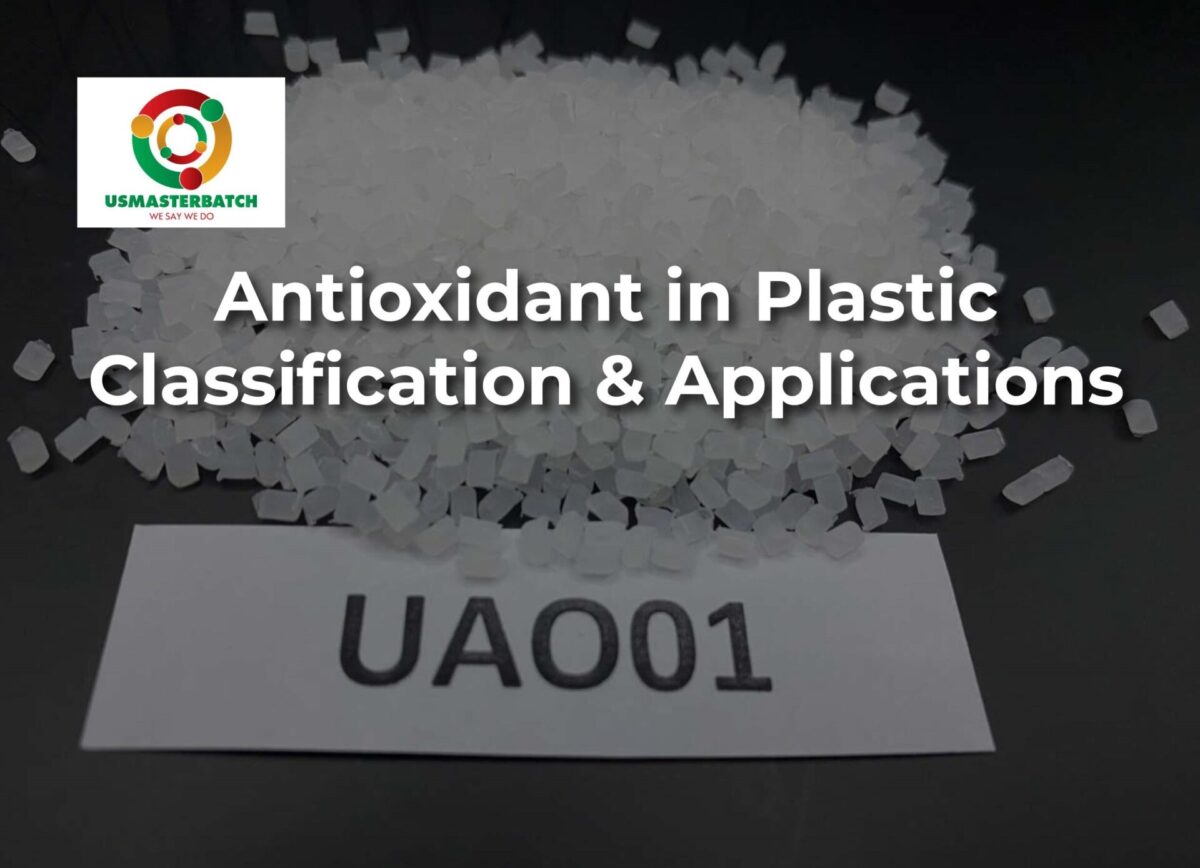
This article provides an overview with advanced solutions like the Antioxidant in Plastic to ensure material longevity.
The Chemistry of Oxidation: The Auto-oxidation Cycle
To understand why Antioxidant in Plastic is necessary, we must look at the “Auto-oxidation Cycle.” This chain reaction occurs in three distinct phases:
- Initiation: Heat, light, or mechanical stress causes the carbon-hydrogen bonds in the polymer chain to break, creating highly reactive free radicals.
- Propagation: These radicals react with oxygen to form peroxy radicals, which then abstract hydrogen from another polymer chain, creating hydroperoxides and a new free radical.
- Termination: The cycle continues until two radicals combine to form a stable species.
Without intervention, this cycle accelerates, leading to the rapid deterioration of the plastic’s physical properties.
Antioxidant in Plastic - Classification
Antioxidants are strategically classified into two groups based on where they interrupt this destructive cycle.
1. Primary Antioxidants (Radical Scavengers)
Primary antioxidants, often called “Chain-Breaking” antioxidants, react directly with the reactive radicals.
- Sterically Hindered Phenols: These are the industry standard for long-term thermal stability. They donate a hydrogen atom to the peroxy radical, converting it into a stable hydroperoxide and becoming a stable phenoxyl radical themselves.
- Aromatic Amines: While extremely effective, they are known to cause staining and yellowing. Therefore, they are typically reserved for black-colored products or technical rubber applications where aesthetics are secondary to performance.
2. Secondary Antioxidants (Hydroperoxide Decomposers)
Secondary antioxidants work by preventing the hydroperoxides from splitting into new radicals. Instead, they transform them into stable alcohols.
- Phosphites and Phosphonites: These are crucial during the processing phase. When plastic is melted in an extruder at temperatures up to 300°C, phosphites protect the resin from “thermal history” damage.
- Thioesters: These are often used as “synergists” with phenols to provide exceptional heat aging resistance over long periods.
The UAO 01 Antioxidant Masterbatch - Antioxidant in Plastic
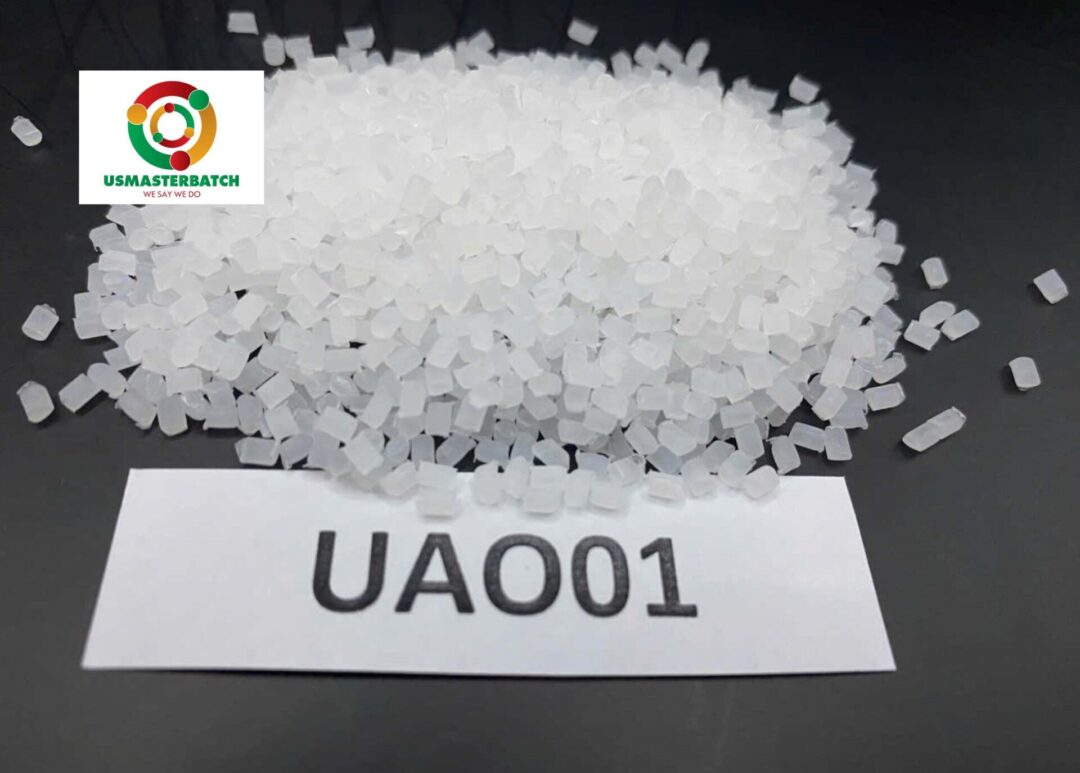
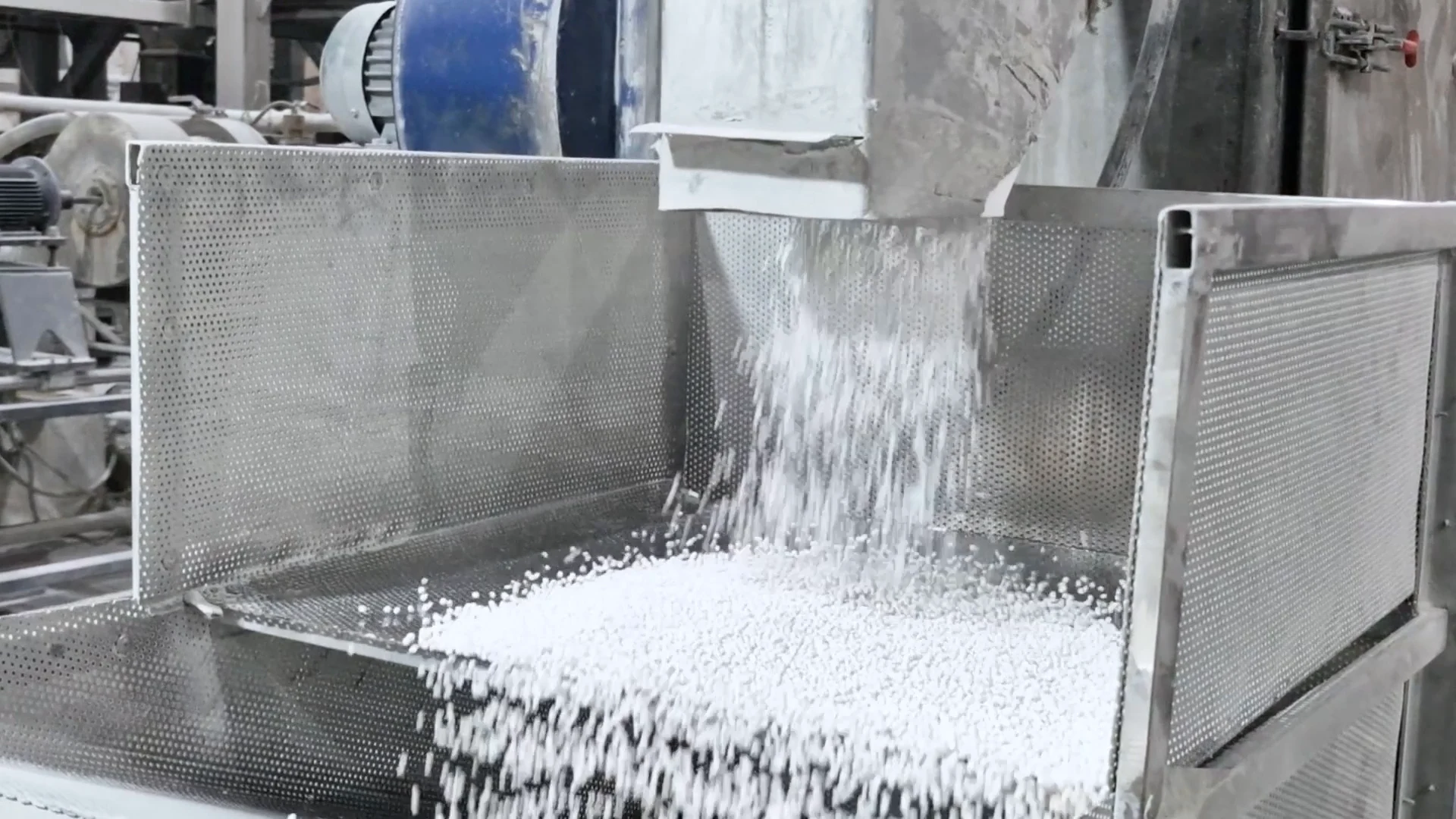
At US Masterbatch, we understand that a single additive is rarely enough. Our R&D experts have developed many superior quality solutions, and UAO 01 is one of our flagship additive masterbatches designed for high-demand environments.
Technical Profile of UAO 01:
- Functional Synergy: UAO 01 is not just a single chemical but a precise combination of functional additives and base resins. It is specifically engineered to solve problems arising during manufacturing, storage, and end-use.
- Processing Resilience: One of the most significant advantages of UAO 01 is its thermal stability. It operates effectively at processing temperatures ranging from 140°C to 300°C. This makes it ideal for high-heat extrusion and injection molding.
- Dosage and Efficiency: With a recommended dosage of only 1-5%, UAO 01 provides a cost-effective way to achieve long-term mechanical durability.
- Compatibility: It is fully compatible with a wide range of polyolefins, including LLDPE, LDPE, HDPE, and PP.
Antioxidant in Plastic - Diverse Applications
The application of antioxidant in plastic like UAO 01 spans across multiple industries where reliability is non-negotiable:
- Infrastructure (HDPE Pipes): Pipes used for water or gas must last 20+ years. UAO 01 ensures these products withstand harsh environmental exposure without losing integrity.
- Agricultural Films: Greenhouse films are exposed to constant heat and UV. While UV stabilizers are key, antioxidants prevent the thermal degradation caused by the sun’s infrared radiation.
- Automotive Parts: Engine components and interior parts must remain stable under varying thermal cycles. UAO 01 improves the overall performance and durability of these critical parts.
Conclusion: Partnering with US Masterbatch
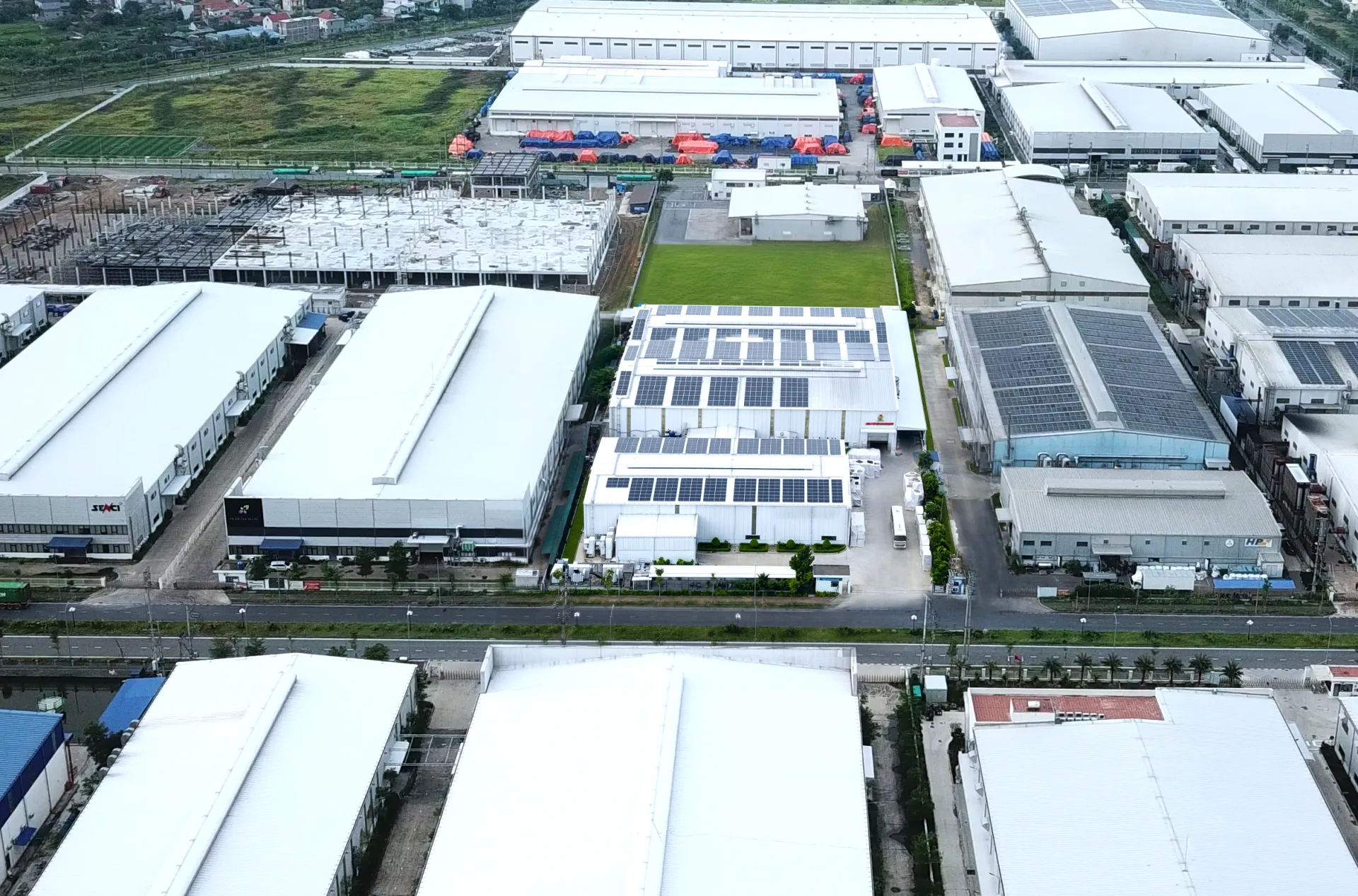
Selecting the right antioxidant in plastic is a scientific endeavor that requires a deep understanding of polymer morphology and processing conditions. As an ISO 9001:2015 certified company, US Masterbatch does more than just sell products; we offer expertise. With 04 factories and a presence in over 80 countries, we ensure that every batch of UAO 01 undergoes rigorous inspection to protect the interests of our customers.
In the world of polymers, “aging” is inevitable, but with the right technology, it is manageable. By integrating UAO 01 into your production, you are choosing a solution for antioxidant in plastic that guarantees durability, cost-effectiveness, and superior performance. Let US Masterbatch be the partner that helps you master the science of polymer protection.
📧 Email: info@usmasterbatch.com