
1. What Is an Antistatic Additive?
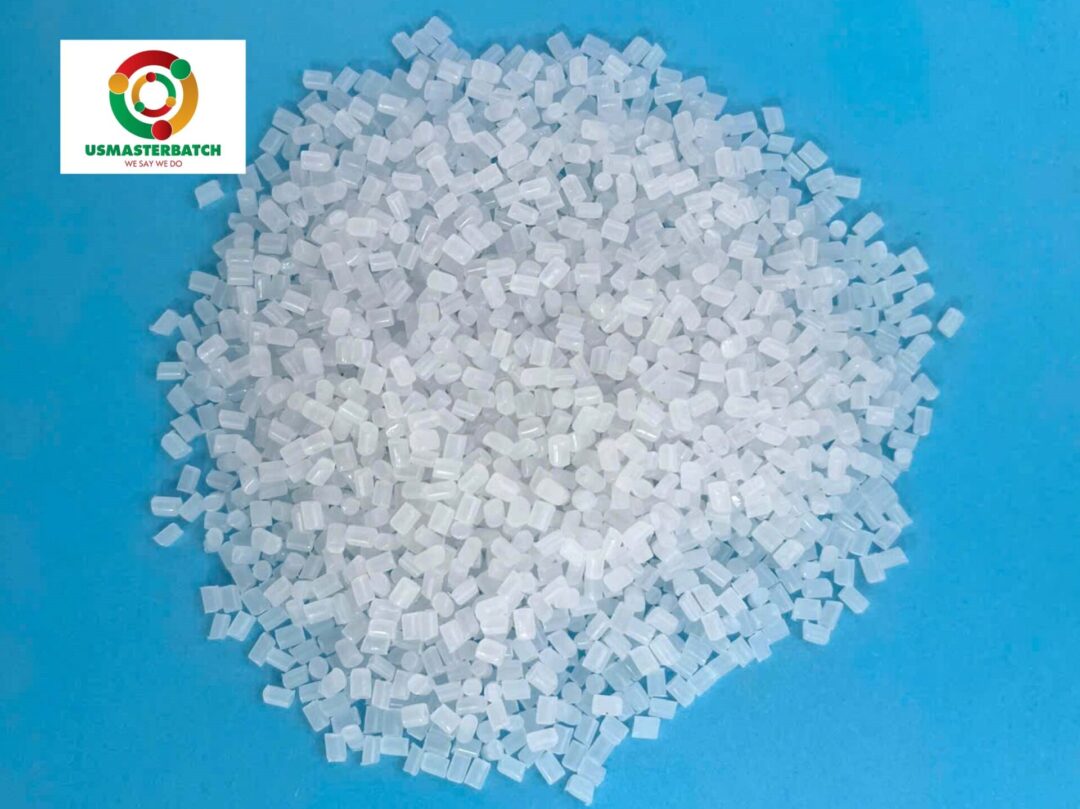
Antistatic additive is a chemical substance added to polymers or other materials to prevent the buildup of static electricity. During production, transportation, or usage, plastics easily accumulate static charge due to friction. This static charge can create unwanted effects, such as attracting dust or causing electrical discharge.
Antistatic additives work by enhancing surface conductivity, allowing electrical charges to dissipate more quickly. They create a microscopic, conductive layer on the material surface, preventing static buildup. Antistatic agents can be incorporated into the material during the manufacturing process (internal antistatic) or applied to the surface after production (external antistatic).
Common antistatic additives include:
- Glycerol monostearate (GMS)
- Ethoxylated amines
- Quaternary ammonium compounds
- Polyethylene oxide-based additives
- Fatty acid esters
These additives are widely used in plastics such as PP, PE, PVC, PET, PS, and engineering polymers.
2. Key Benefits of Antistatic Additive
Using antistatic additives brings a range of advantages, especially in industries where cleanliness, safety, and product quality are crucial. Below are the most important benefits:
2.1 Reduce Dust and Dirt Attraction
Static charge causes plastic surfaces to attract dust particles, making products look dirty or low-quality. Antistatic additives prevent dust accumulation, ensuring a clean and clear appearance — particularly important for packaging films, electronic components, and consumer goods.
2.2 Improve Safety and Prevent Static Discharge
In industrial environments, static discharge can lead to sparks, posing risks in areas dealing with flammable chemicals or electronic components. Antistatic additives minimize these risks by quickly dissipating electrical charges.
2.3 Enhance Product Quality
Materials free of static charge are easier to handle during production. Antistatic additives improve:
- Machine efficiency
- Film roll quality
- Surface smoothness
- Printing and lamination performance
Manufacturers benefit from fewer defects and improved production stability.
2.4 Increase Processing Efficiency
Plastics with high static levels tend to stick together, causing blockages and downtime in production lines. Antistatic additives help materials move smoothly, reducing:
- Delays
- Equipment wear
- Downtime costs
This leads to more efficient processing and higher productivity.
2.5 Suitable for Food and Consumer Packaging
Many antistatic additives are food-contact approved, making them ideal for packaging films, food bags, and household products. They help maintain product hygiene and ensure clean, attractive packaging.
3. Main Applications of Antistatic Additive
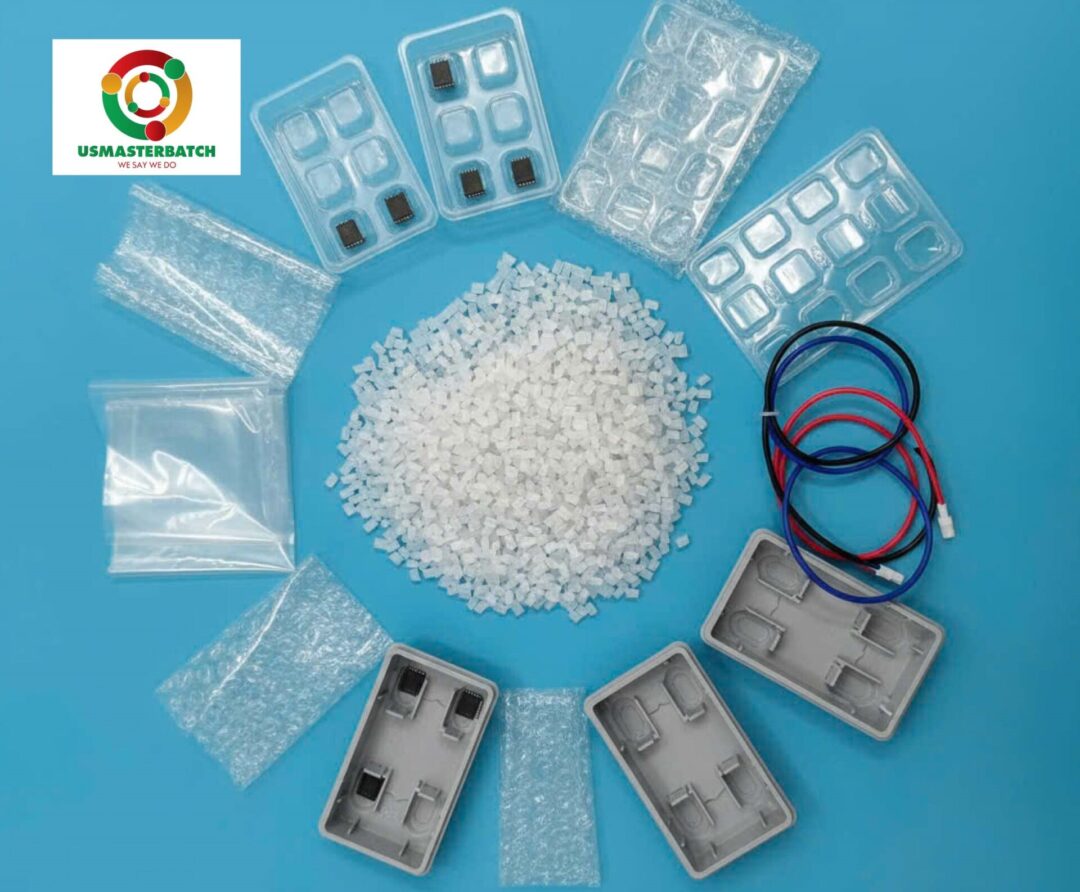
Antistatic additives are used across numerous industries due to their versatility and performance-enhancing properties. Below are the most common applications:
3.1 Plastic Packaging Films
One of the largest application areas is PP, PE, and multilayer packaging films. Antistatic additives reduce static charge during film blowing, cutting, and winding. They also keep the final product clean and prevent dust contamination.
3.2 Electronics and Electrical Components
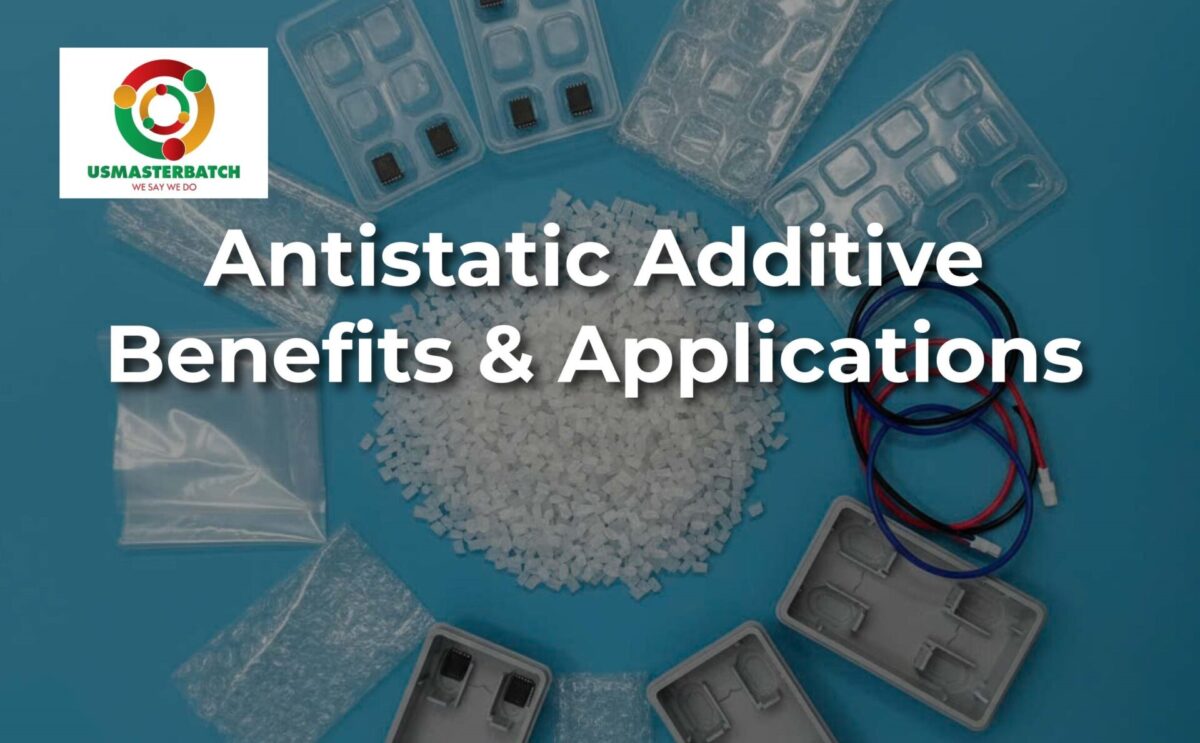
Electronics are especially sensitive to static discharge. Antistatic additives are used in:
- Component trays
- Electronic packaging
- Cables and connectors
- Protective films
These materials help prevent electrostatic discharge (ESD), protecting delicate components.
3.3 Automotive and Industrial Parts
In automotive interiors — such as dashboards, panels, and covers — antistatic additives prevent dust accumulation. In industrial parts, they improve handling safety and reduce the risk of static-related accidents.
3.4 Home Appliances and Consumer Goods
Products like vacuum cleaner parts, air-conditioning components, and plastic housings often require antistatic protection to maintain cleanliness and extend product life.
3.5 Textile Industry
Synthetic fibers such as polyester or nylon easily generate static charge. Antistatic additives are used in fiber production and textile processing to reduce friction and improve comfort.
3.6 Logistics and Storage
Plastic bags, storage boxes, and pallets benefit from antistatic treatment because they help prevent dust buildup and improve safety when handling sensitive goods.
Kết luận
Antistatic additives play a vital role in modern manufacturing by preventing static buildup, enhancing product appearance, and ensuring safety. They are essential for industries such as packaging, electronics, automotive, consumer goods, and textiles. Whether used in PP film or high-tech electronic packaging, antistatic additives provide a simple yet powerful solution for cleaner, safer, and more efficient production.
If your business requires improved product quality, reduced dust attraction, or enhanced safety, integrating antistatic additives into your polymer formulations is a highly effective strategy.