
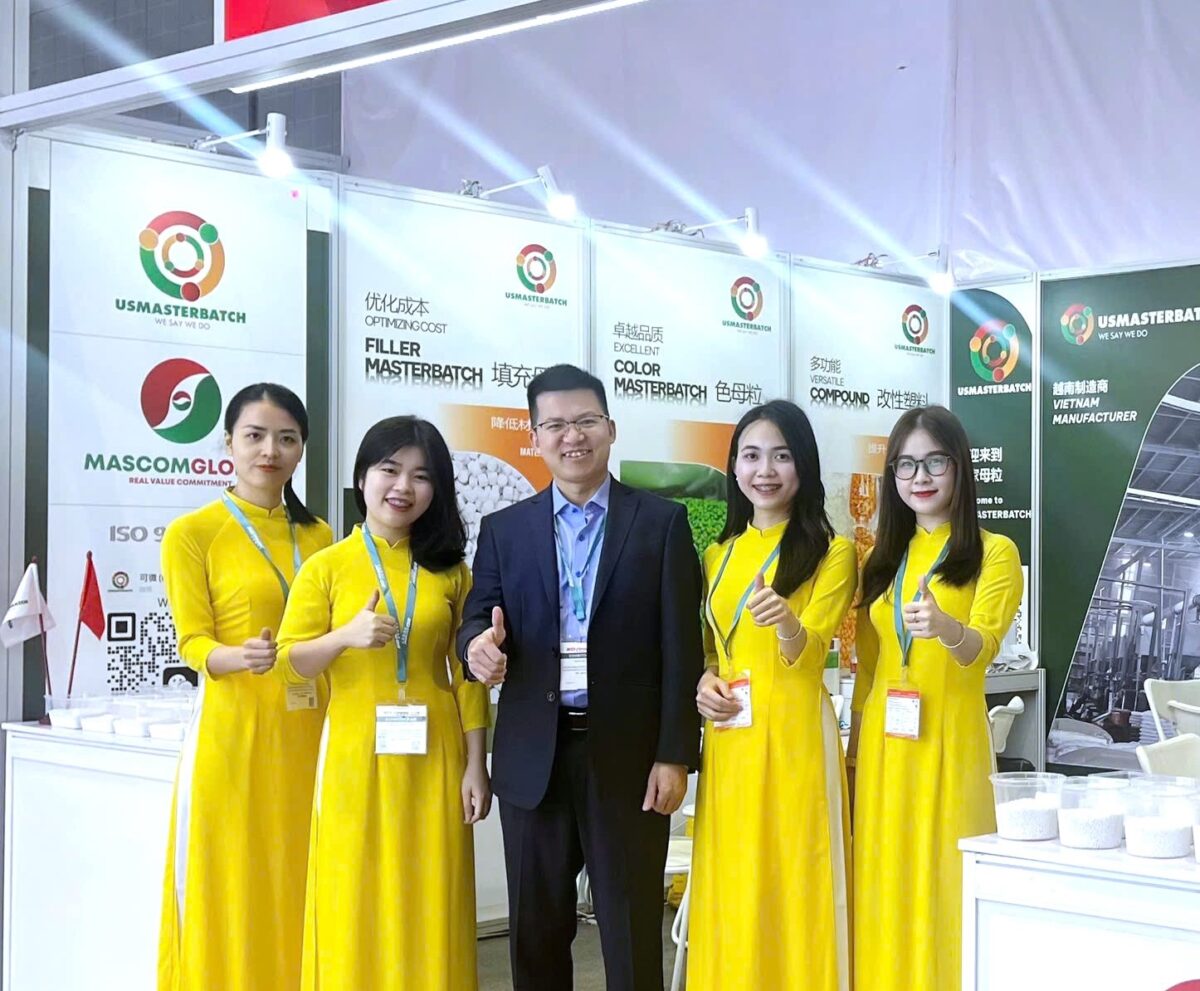
Vietnam has emerged as a significant player in the production of Polyvinyl Chloride (PVC) material, offering numerous advantages for businesses looking to source their materials from Asia. This article highlights the advantages Vietnam offers in producing PVC material, supported by data from reliable sources.
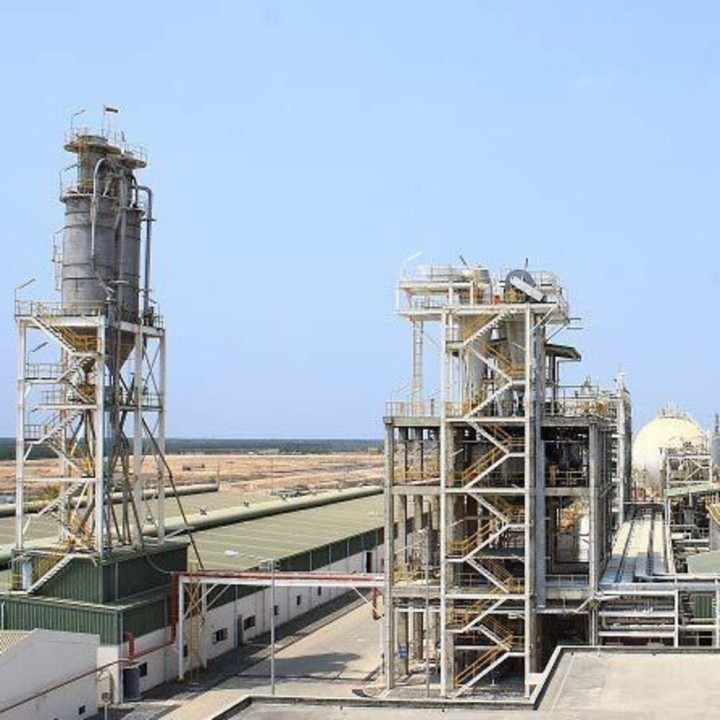
Asahi Glass to increase the PVC production capacity in its plant in Vietnam by 50%. Vietnam is the third largest PVC market in Southeast Asia, and the PVC demand is growing at the similar level as the country’s GDP. (Source: Asahi Glass Co.)
Vietnam has an abundance of raw materials required for the production of PVC, including ethylene and chlorine. Vietnam’s ethylene production capacity has increased by 85% in the last decade, while the country is the world’s third-largest producer of salt, a key component in the production of chlorine. This ensures a steady supply of PVC material and reduces production costs.
Vietnam’s strategic location is another advantage in producing PVC material. The country is located in the heart of Southeast Asia, with easy access to major markets such as China, Japan, and South Korea. Vietnam’s well-developed transportation infrastructure, with a network of ports, airports, and highways, has improved significantly in the past decade, making it easier for manufacturers to export PVC material to other countries.
Vietnam’s highly skilled workforce is another advantage in producing PVC material. The country has a large pool of young and skilled workers available for the manufacturing industry. Vietnam ranks 54th globally in terms of talent competitiveness, with a strength in vocational and technical skills. Moreover, the labor costs in Vietnam are relatively low compared to other countries in the region, making it an attractive destination for manufacturers looking to produce PVC material at a lower cost without compromising on quality.
Vietnam’s PVC industry has been growing rapidly in recent years, with a number of large PVC manufacturers operating in the country. The global PVC market size was valued at USD 62.2 billion in 2020 and is expected to grow at a compound annual growth rate (CAGR) of 4.2% from 2021 to 2028. Asia Pacific is the largest regional market for PVC, with Vietnam emerging as a significant player in the PVC market.
In conclusion, Vietnam offers numerous advantages for manufacturers looking to produce PVC material. The country’s abundance of raw materials, strategic location, and highly skilled workforce make it an attractive destination for businesses seeking to source PVC material from Asia. Moreover, Vietnam’s PVC industry is growing rapidly, making it a competitive player in the global PVC market.