
 Challenges in PVC Recycling:
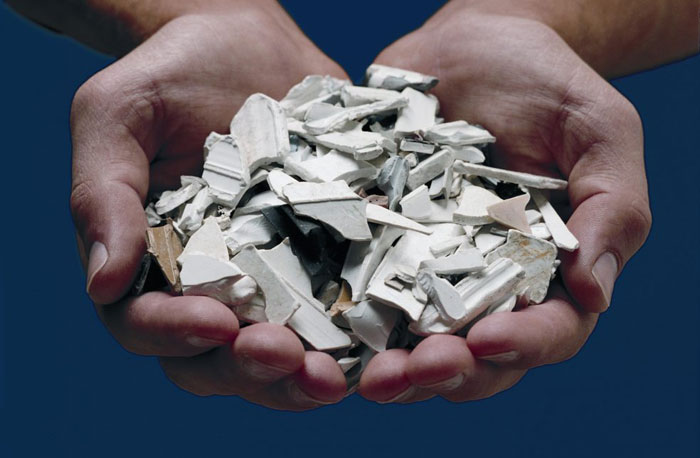
Polyvinyl Chloride, known as PVC, is one of the most commonly material used in many sectors including construction, healthcare, and notably, the smart card sector. Therefore, the recycling of PVC has become a topic of paramount importance.
- Complex Composition: PVC’s versatile and durable nature, which makes it a popular material, also poses challenges during recycling. The complex composition of PVC, often containing additives like plasticizers, stabilizers, and pigments, can complicate the recycling process.
- Contamination Issues: Contamination is a significant challenge in PVC recycling. PVC products may come into contact with other materials or substances during their use, leading to contamination. Contaminants can affect the quality of the recycled PVC and limit its potential applications.
- Thermal Degradation: PVC can degrade when exposed to high temperatures, which poses challenges during the recycling process.
- Lack of Standardization: The lack of standardized collection and sorting processes for PVC waste can hinder recycling efforts. Inconsistent labeling and identification of PVC products make it challenging to separate PVC from other plastics in the recycling stream.
- Technical Challenges: PVC recycling involves the removal of various additives and contaminants, requiring advanced technological solutions. The presence of different types of PVC formulations further complicates the process, as each may require specific treatment methods.
- Limited Market for Recycled PVC: The demand for recycled PVC is not as high as for other recycled materials. This limited market can affect the economic viability of PVC recycling initiatives, discouraging investments in recycling infrastructure.
- Economic Viability: The cost associated with recycling PVC, especially when dealing with post-consumer waste, can sometimes outweigh the benefits.
Innovations in PVC Recycling:
- Advanced Sorting Technologies: Innovations in sorting technologies, such as near-infrared (NIR) spectroscopy and artificial intelligence (AI), are improving the efficiency of separating PVC from other plastics. These technologies enable automated and precise sorting in recycling facilities.
- Chemical Recycling Techniques: Chemical recycling methods are emerging as promising solutions for PVC recycling. Processes like depolymerization and solvolysis break down PVC into its chemical components, allowing for the recovery of high-quality raw materials for new PVC production.
- Additive Removal Technologies: Innovations in additive removal technologies aim to enhance the purity of recycled PVC. These technologies focus on efficiently removing plasticizers, stabilizers, and other additives, improving the quality of recycled PVC.
- Design for Recyclability: Some innovators are working on designing PVC products with recyclability in mind. This involves considering the entire lifecycle of the product, from material selection to ease of disassembly, to ensure that the product can be recycled more effectively.
- Collaborative Initiatives: Industry collaborations and partnerships between manufacturers, recyclers, and government bodies are fostering a more holistic approach to PVC recycling. These initiatives aim to create standardized recycling processes, improve collection systems, and increase awareness about PVC recycling.
- Increased Demand for Recycled PVC Products: As awareness of sustainability grows, there is a push for increased use of recycled PVC in various applications. Initiatives to promote and create demand for products made from recycled PVC contribute to the economic viability of PVC recycling.
- Life Cycle Assessments (LCAs): Life cycle assessments help identify the environmental impact of PVC products and guide efforts to improve sustainability. By understanding the environmental footprint, stakeholders can make informed decisions to enhance the recyclability of PVC.
In conclusion, while PVC recycling poses challenges due to its complex composition and contamination issues, ongoing innovations in sorting technologies, chemical recycling, and collaborative efforts are driving positive changes. As the industry continues to invest in research and development, the future of PVC recycling holds promising solutions that address both environmental concerns and the economic viability of recycling initiatives.
Contact us:
☎️ Whatsapp: (+84) 348280698
📧Email: laura@usmasterbatch.com