
1. What is Synthetic Fiber?
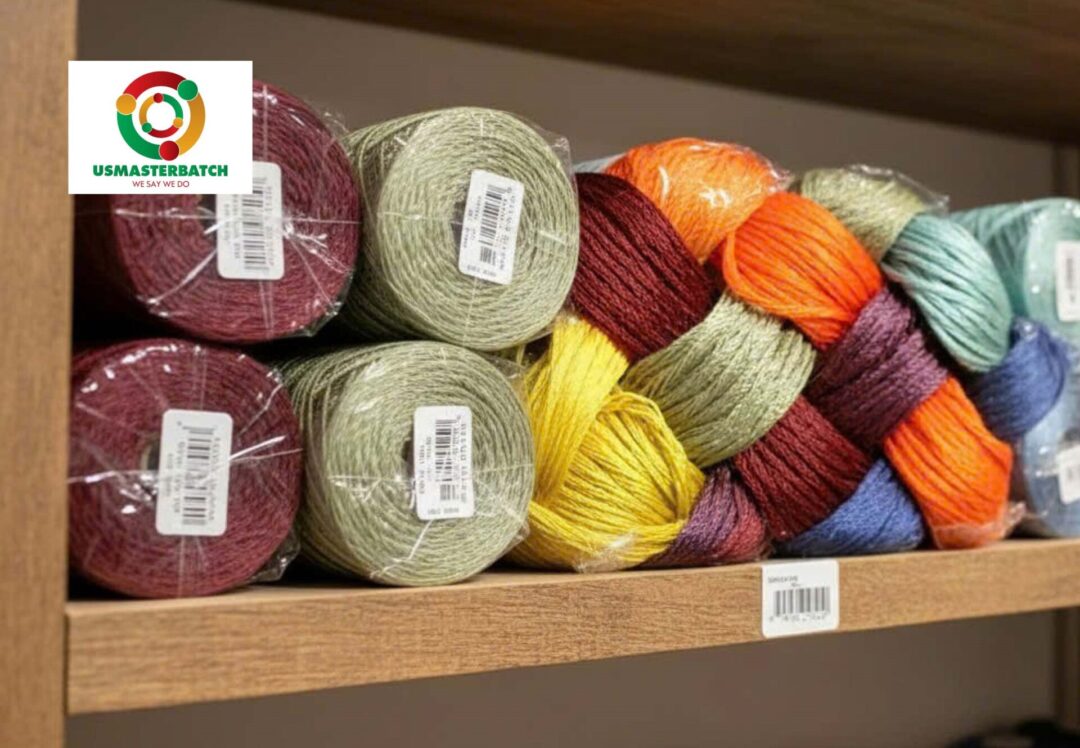
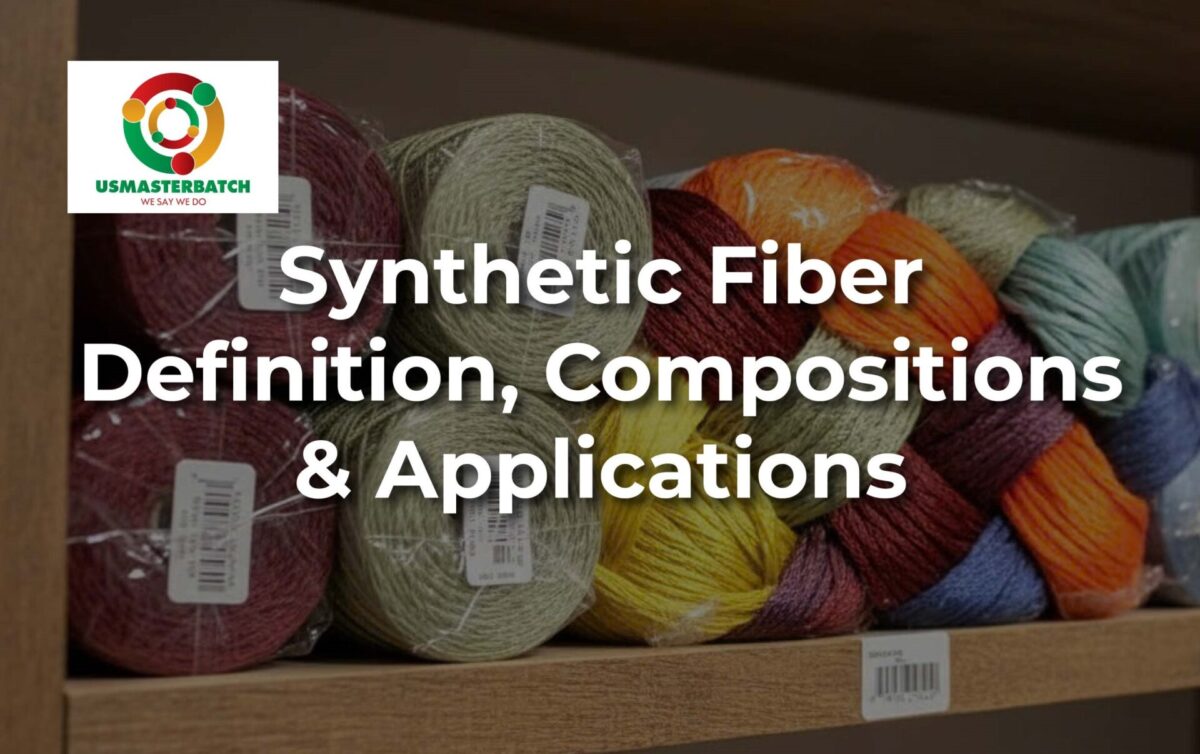
Synthetic fiber is an artificial fiber created through chemical synthesis processes, in contrast to natural fibers which are extracted directly from living organisms such as plants (cotton) or animals (wool, silk).
From a scientific perspective, synthetic fiber is the result of polymerization, in which small molecules called monomers are linked together to form a long chain called a polymer. The word “polymer” originates from Greek, with “poly” meaning “many” and “mer” meaning “single unit”.
2. Composition and Production Process
Chemical Composition
Most synthetic fibers today are produced from chemical compounds derived from petroleum or petrochemicals. These compounds are processed to create chemical bonds between adjacent carbon atoms. Additionally, a developing trend is bio-based synthetic fibers, extracted from renewable resources such as biomass, reducing reliance on fossil fuels.
Spinning Methods
To form the fiber, the polymer material is extruded through small holes in a device called a spinneret. There are three main methods:
- Melt spinning: Applied to thermoplastic polymers such as Nylon and Polyester. The polymer is melted and extruded through the holes, then solidified by cooling.
- Solution spinning: Used when the polymer has a melting temperature higher than its decomposition temperature. Polymers are dissolved in a solvent (forming “dope”) before spinning. This method includes dry spinning and wet spinning.
- Gel spinning: Used to create ultra-high strength fibers, such as ultra-high molecular weight polyethylene (UHMWPE).
3. Common Synthetic Fiber Types
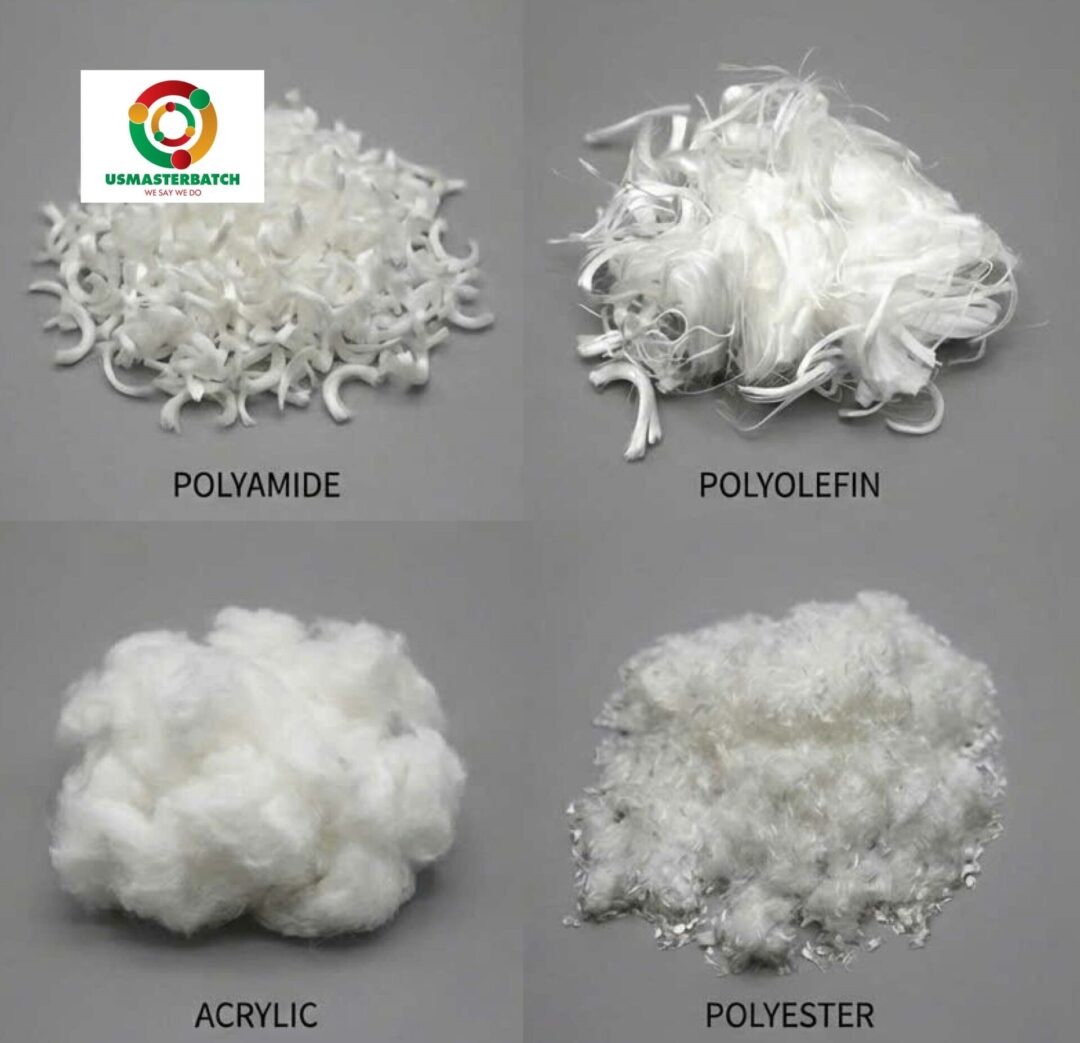
Currently, four main types of synthetic fibers account for approximately 98% of total global production, including:
- Polyester: Accounts for about 60% of the market. It is known for its high strength, wrinkle resistance, and quick drying.
- 尼龙(聚酰胺): The first fully synthetic fiber, it has good elasticity, is very durable, and is resistant to oil and many chemicals. The most common forms are Nylon 6 and Nylon 6,6.
- Acrylic: Has warm and soft properties similar to wool, and is often used in knitted products.
- Polyolefin (Polypropylene): Has high tensile strength, chemical resistance, and is commonly used in the production of carpets, ropes, or geotextiles.
4. Technical Applications of Synthetic Fiber
Synthetic fibers are not limited to the garment industry but have expanded to many high-tech fields:
In infrastructure and construction:
Macro synthetic fibers are becoming the main material for reinforcing concrete.
- Railways and trams: Synthetic fibers are used in track slabs to reduce vibration, noise, and increase construction speed. Projects in Japan (2002) and Hungary have demonstrated the effectiveness of replacing steel with synthetic fibers.
- Tunnels and underground structures: Sprayed concrete reinforced with synthetic fibers (such as BarChip) increases load-bearing capacity, ductility, and corrosion resistance. For example, the Divača–Koper railway tunnel project used BarChip fibers to ensure load-bearing performance.
- Precast manholes: The use of synthetic fibers reduces CO2 emissions by 26% compared to traditional steel reinforcement methods, while also shortening construction time.
In the automotive and industrial sectors:
Synthetic fibers are used to manufacture airbags, seat belts, tires (tire cords), and interior components due to their lightweight, durable, and heat-resistant properties. Using this material reduces vehicle weight, thereby improving fuel efficiency.
In textiles and everyday life:
Thanks to their durability, ease of dyeing, and functional customization (such as water resistance and elasticity), synthetic fibers are a top choice for fast fashion, sportswear, and household items such as carpets and curtains.
结论
Synthetic fiber is a testament to the progress of materials science, providing optimal engineering solutions for construction and everyday life. However, for sustainable development, this industry is moving towards optimizing recycling processes and developing bio-based raw materials to minimize negative impacts on the environment.