Bio Compound Types and Applications in Modern Industries
As sustainability becomes a major focus across global industries, bio-based materials are increasingly gaining attention as an alternative to traditional plastics. Among these materials, bio compound plays an important role in helping manufacturers reduce environmental impact while still maintaining the functional performance required for industrial applications.
Bio compounds are typically developed by combining biodegradable polymers, bio-based resins, or natural fillers with conventional plastic materials. Through compounding technology, these materials can achieve better mechanical properties, improved processability, and enhanced environmental performance.
Today, bio compound is used in many industries such as packaging, agriculture, consumer products, and automotive manufacturing. However, to fully understand their potential, it is important to first look at how bio compounds are classified based on their composition and environmental characteristics.
This article explores the main categories of bio compounds and highlights their practical applications across different industries.
Bio Compound Main Types
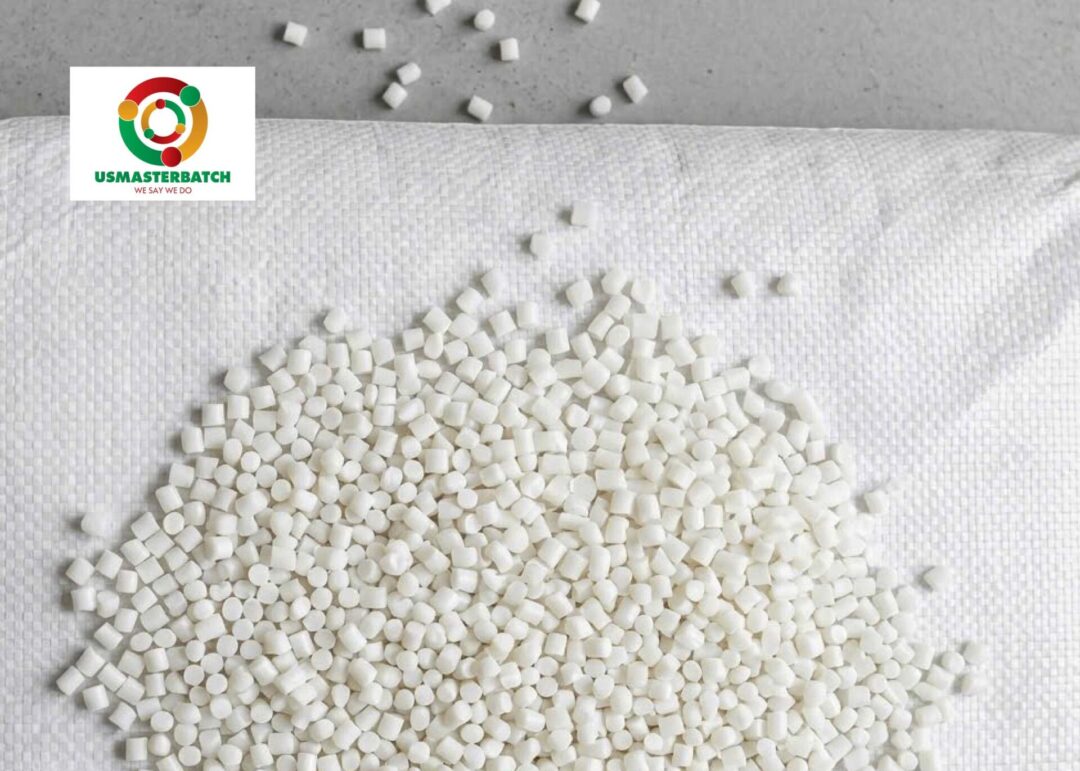
(Illustrative purposes only)
Bio compounds can generally be divided into several major groups depending on the origin of their raw materials and their biodegradability. Each type has its own advantages, processing characteristics, and suitable applications.
1. Biodegradable Bio Compounds
Biodegradable bio compounds are materials designed to break down naturally under specific environmental conditions. When exposed to microorganisms such as bacteria or fungi, these materials gradually decompose into natural substances like carbon dioxide, water, and biomass.
This ability to decompose helps reduce long-term plastic waste accumulation and makes biodegradable compounds particularly attractive for products with short life cycles.
Typical Materials
Some commonly used biodegradable polymers include:
- Polylactic Acid (PLA)
- Polyhydroxyalkanoates (PHA)
- Polybutylene Adipate Terephthalate (PBAT)
- Starch-based biodegradable polymers
These materials are often blended with additives or fillers to improve flexibility, strength, and processing stability.
Key Advantages
Biodegradable compounds offer several environmental and functional benefits:
- Reduced plastic waste in landfills and oceans
- Ability to decompose under industrial composting conditions
- Reduced reliance on fossil resources
- Suitable for single-use applications
Applications
Because of their environmentally friendly properties, biodegradable compounds are widely used in:
- Compostable packaging films
- Disposable food containers
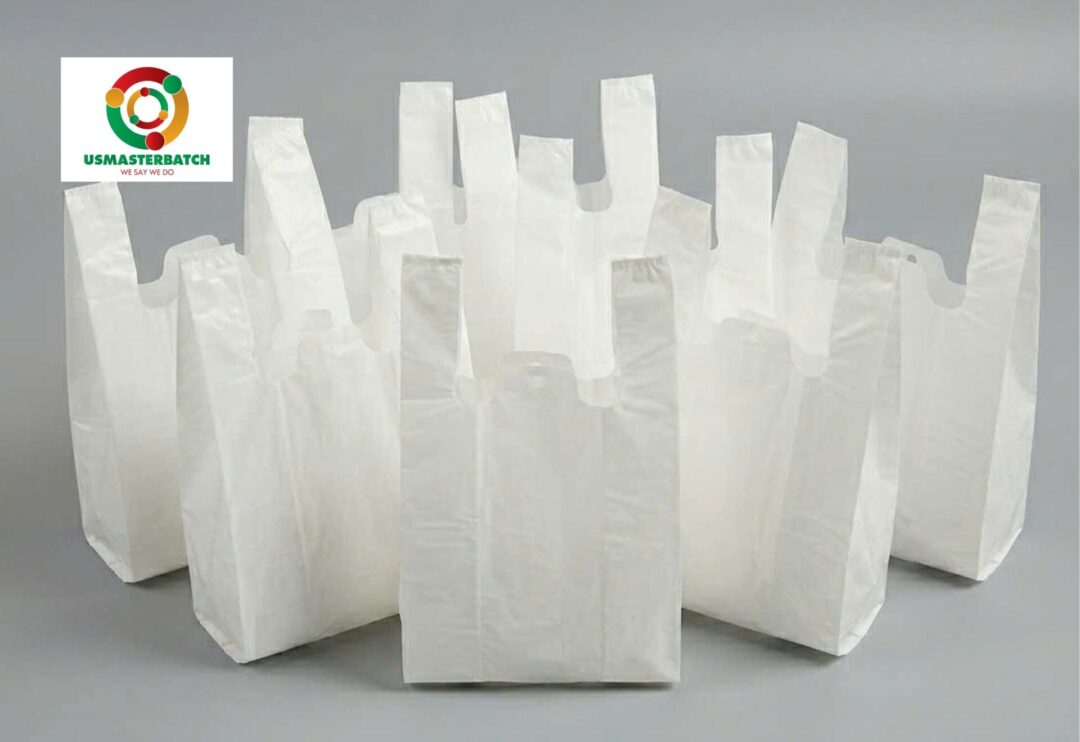
- Biodegradable shopping bags
- Agricultural mulch films
- Medical and hygiene products
Many governments and organizations are encouraging the use of biodegradable materials to help address global plastic pollution challenges.
2. Bio-Based Plastic Compounds
Another important category is bio-based plastic compounds. Unlike biodegradable plastics, bio-based plastics are derived from renewable biological resources but may not necessarily degrade naturally.
Instead of focusing on decomposition, these materials aim to reduce dependence on petroleum-based raw materials.
Common renewable feedstocks include:
- Sugarcane
- Corn
- Cassava
- Vegetable oils
Through chemical processing, these raw materials can be converted into polymers that have similar properties to traditional plastics.
Examples of Bio-Based Plastics
Some widely used bio-based materials include:
- Bio-based polyethylene (Bio-PE)
- Bio-based polypropylene (Bio-PP)
- Bio-based PET
These materials can often be processed using the same equipment as conventional plastics, making them easier to adopt in existing manufacturing systems.
Advantages
Bio-based compounds provide several benefits:
- Reduced carbon footprint
- Renewable raw material sources
- Comparable performance to traditional plastics
- Compatibility with existing recycling systems
Applications
Bio-based compounds are used in many industries that require durable plastic materials, such as:
- Food and beverage packaging
- Cosmetic containers
- Household product packaging
- Automotive components
- Consumer electronics housings
Because their properties are similar to conventional plastics, manufacturers can integrate them into current production processes with minimal changes.
3. Natural Fiber Reinforced Bio Compounds
(Illustrative purposes only)
Natural fiber reinforced bio compounds combine polymer materials with plant-derived fibers to enhance mechanical performance while improving sustainability.
Common natural fibers used in these compounds include:
- Bamboo fiber
- Hemp fiber
- Flax fiber
- Wood fiber
- Rice husk powder
These fibers act as reinforcing fillers within the polymer matrix. When properly compounded, they can significantly improve stiffness, dimensional stability, and impact resistance.
Benefits of Natural Fiber Reinforcement
Natural fiber bio compounds offer several advantages:
- Lower density compared to mineral fillers
- Reduced material weight
- Improved rigidity and strength
- Reduced use of synthetic plastic materials
- More environmentally friendly composition
Additionally, natural fibers often create a unique texture or natural appearance that is desirable in certain product designs.
Applications
Natural fiber reinforced compounds are increasingly used in industries focused on sustainability and lightweight materials.
Typical applications include:
- Automotive interior panels
- Furniture components
- Consumer goods
- Decorative construction materials
- Packaging products
In particular, the automotive industry has shown growing interest in natural fiber composites as part of efforts to reduce vehicle weight and improve sustainability.
4. Starch-Based Bio Compounds
Starch-based bio compounds are another widely used type of environmentally friendly material. These compounds are produced by blending natural starch with biodegradable polymers to improve flexibility and mechanical performance.
Starch can be extracted from many agricultural sources, including:
- Corn
- Potato
- Cassava
- Wheat
Because starch is abundant and renewable, it is often used as a base material in biodegradable plastic formulations.
Key Characteristics
Starch-based compounds generally offer:
- High biodegradability
- Relatively low material cost
- Good processability in plastic manufacturing
However, pure starch materials can be sensitive to moisture and may have lower mechanical strength. Therefore, they are often modified or blended with other biodegradable polymers to enhance performance.
Applications
Starch-based bio compounds are widely used in:
- Compostable bags
- Food packaging films
- Disposable tableware
- Cushion packaging materials
- Agricultural products
With increasing restrictions on traditional plastic bags in many countries, starch-based materials have become an important alternative solution.
Expanding Applications of Bio Compounds
As sustainability becomes more important in global manufacturing, the demand for bio compounds continues to grow.
Several industries are actively adopting these materials to reduce environmental impact while maintaining product performance.
Packaging Industry
The packaging sector is one of the largest consumers of bio compounds. Compostable packaging, biodegradable films, and sustainable containers are increasingly used by food brands and retailers.
Agriculture
Biodegradable mulch films and agricultural materials help reduce plastic waste in farming while supporting crop productivity.
Automotive Industry
Car manufacturers are incorporating natural fiber reinforced bio compounds into interior components to reduce weight and improve sustainability.
Consumer Goods
Eco-friendly consumer products such as biodegradable utensils, packaging, and household items are becoming more popular among environmentally conscious consumers.
Challenges in Bio Compound Development
Although bio compounds offer many advantages, their development and application still face several challenges.
Material Performance
Some biodegradable polymers may have lower heat resistance or mechanical strength compared to traditional plastics.
Cost Considerations
Bio-based raw materials and specialized production processes can sometimes increase manufacturing costs.
Processing Technology
Producing high-quality bio compounds requires advanced compounding technology to ensure stable material properties and consistent performance.
For this reason, manufacturers often rely on experienced compound producers to develop optimized material formulations.
Explore Sustainable Plastic Solutions with US Masterbatch
As industries continue to transition toward more sustainable materials, choosing the right material partner becomes increasingly important.
US Masterbatch is a reliable manufacturer specializing in advanced plastic materials and compound solutions for global industries.
The company provides a wide range of products, including:
- Bio compounds
- Filler masterbatch
- Color masterbatch
- Engineering plastic compounds
- Customized plastic formulations
With modern production facilities and strong expertise in plastic compounding, US Masterbatch develops materials that meet international quality standards while supporting environmentally responsible manufacturing.
If you are looking for sustainable plastic solutions or advanced compound materials for your products, exploring the bio compound portfolio from US Masterbatch can be a valuable step toward building greener and more innovative plastic applications.