Masterbatch Manufacturers in Bangladesh
[US Masterbatch] Bangladesh has solidified its position as a high-velocity plastic manufacturing hub in South Asia, currently sustaining an industrial ecosystem of over 6,000 factories. In this landscape, the masterbatch sector functions as the “strategic engine”, driving the transformation of raw polymer resins into high-value consumer and industrial goods. As rapid urbanization and an expanding FMCG sector escalate domestic demand, localized masterbatch production has shifted from a competitive advantage to a critical necessity for reducing import dependency. This localized capacity is vital for downstream sectors such as PP woven bags, BOPP lamination, and flexible packaging. By stabilizing supply chains against global volatility, domestic masterbatch manufacturers allow Bangladeshi processors to remain competitive in high-stakes export markets. The maturity of this market is best assessed through the technical sophistication and operational scales of its primary industrial players.
Analysis of Leading Industry Masterbatch Manufacturers and Technical Capabilities
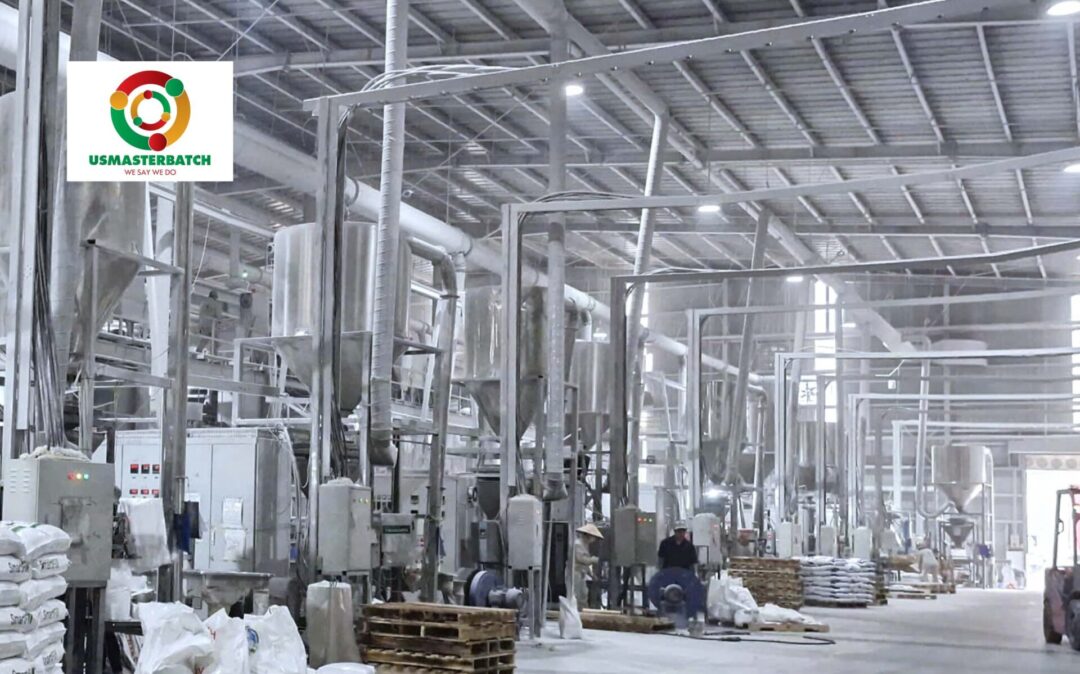
The Bangladeshi market is characterized by a mix of localized production giants and regional powerhouses that provide the precision chemistry required for modern plastics.
- Permanent Masterbatch (RFL Group): The volume leader in the domestic market, Permanent operates a 50,000 Sft manufacturing plant — the largest in Bangladesh. Integrated into the PRAN-RFL ecosystem, they leverage massive physical scale to produce over 1,000 color shades and specialized processing aids.
- Colorplus Masterbatch Manufacturing: Established in 2014 via Chinese equity partnership, Colorplus competes on operational velocity rather than pure physical footprint. Their modern laboratory allows for a 48-hour color development turnaround, a critical metric for the fast-paced FMCG packaging sector.
- NRJ Limited: A specialist in the filler masterbatch segment, NRJ focuses on high-purity calcium carbonate (CaCO3) and transparent fillers utilizing inorganic powders like Na2SO4. They prioritize quality assurance through a combination of in-house testing and third-party RoHS (Restriction of Hazardous Substances) certification.
- Perfect Colourants & Plastics (PCPPL): While a dominant supplier to the Bangladeshi market with 40 years of experience, PCPPL is a regional powerhouse with manufacturing units located in Western India (Vadodara & Halol). Their presence provides Bangladeshi firms with access to international-grade materials that carry FDA, REACH, and RoHS certifications.
- S2S Polytec (Polytec Masterbatch LLC): An extension of the Dubai-based Polytec Masterbatch LLC, this unit in the Meghna Industrial Economic Zone utilizes advanced twin-screw extruder technology to deliver high-consistency black, white, and additive masterbatches.
Strategic Synthesis: While Permanent leads in physical capacity and localized volume, firms like Colorplus offer the agility required for rapid market entry. Investment in R&D and quality control labs among these leaders is the primary defense against production inconsistencies, such as streaks or specks, which can lead to high rejection rates in mass-production environments.
Product Segmentation of Masterbatch Manufacturers: Filler, Additive, and Color Solutions
The following matrix delineates the core product categories driving industrial performance in the region.
Masterbatch Product Matrix: Functions and Industrial Applications
| Type | Key Differentiators | Strategic Impact |
| Filler | High loading of CaCO3, Talc, or Na2SO4; low moisture. | Drastic raw material cost reduction; improves stiffness and thermal stability. |
| Color (White/Black) | TiO2 loading up to 75% (White); High-jetness Carbon Black (Black). | Market differentiation through visual properties; provides critical UV protection. |
| Additive | UV stabilizers, Desiccants, Antistatic agents, and PPA. | Improves functional lifespan; prevents moisture-related defects during extrusion. |
| Special Effect | Pearlescent, Metallic, Fluorescent, and Marble effects. | Drives brand premiumization; facilitates entry into high-end European/North American markets. |
Market Evolution: The shift toward “Functional Masterbatches” and special effects allows Bangladeshi manufacturers to bypass commoditization. By meeting international safety standards (FDA for food safety, REACH for chemical compliance), these firms can overcome the regulatory barriers of Western markets.
Market Dynamics: Drivers, Challenges, and Regulatory Framework
The sector’s trajectory is dictated by specific economic drivers and persistent structural hurdles.
Core Market Drivers:
- Expanding Industrial Base: High demand from the textile, automotive, and PP woven bag sectors.
- Sustainable Innovation: Increasing focus on biodegradable additives and eco-friendly fillers to meet global ESG standards.
- Government Incentives: Policy support for local manufacturing and the streamlining of raw material imports (pigments and resins) not available domestically.
Industry Challenges:
- Upstream Volatility: Fluctuating global prices for base resins and specialty pigments.
- Technical Awareness Gap: A notable lack of awareness among smaller end-users regarding the long-term cost benefits of high-quality masterbatch.
- Infrastructure & Integrity: Challenges regarding consistent power supply and the presence of counterfeit products.
Regulatory Critique: The government’s role in facilitating the import of technical raw materials is a primary catalyst for growth. However, the future of the industry depends on the rigorous enforcement of environmental safety standards to ensure “Made in Bangladesh” remains a mark of global quality.
Strategic Sourcing from Masterbatch Manufacturers: Selection Criteria for Professional Procurement
Procurement professionals should evaluate partners based on the following industrial benchmarks:
- QC and Testing Capability: Verification of Melt Flow Index (MFI) and moisture analysis is non-negotiable. MFI testing is critical to preventing “melt cracking” and ensuring uniform dispersion in high-speed production.
- Regulatory Compliance: Ensure suppliers can provide documentation for RoHS, REACH, and FDA compliance, especially for food-contact or medical applications.
- Customization Turnaround: Assess the supplier’s ability to match colors within the industry-standard 48-hour window to maintain FMCG supply chain integrity.
- Technical Support: Prioritize manufacturers who offer on-site assistance to troubleshoot processing issues and optimize dosing ratios.
In conclusion, Bangladesh is positioned as a globally competitive sourcing destination for the next decade. By leveraging a mix of massive localized capacity and high-standard regional imports, the polymer sector is poised for sustained technological advancement.