Slip Additives for Plastics – Effective Production Use
This article by US Masterbatch provides a comprehensive overview of slip additives for plastics, how they work, and the most important considerations when using them in plastic manufacturing.
1. What Are Slip Additives for Plastics?
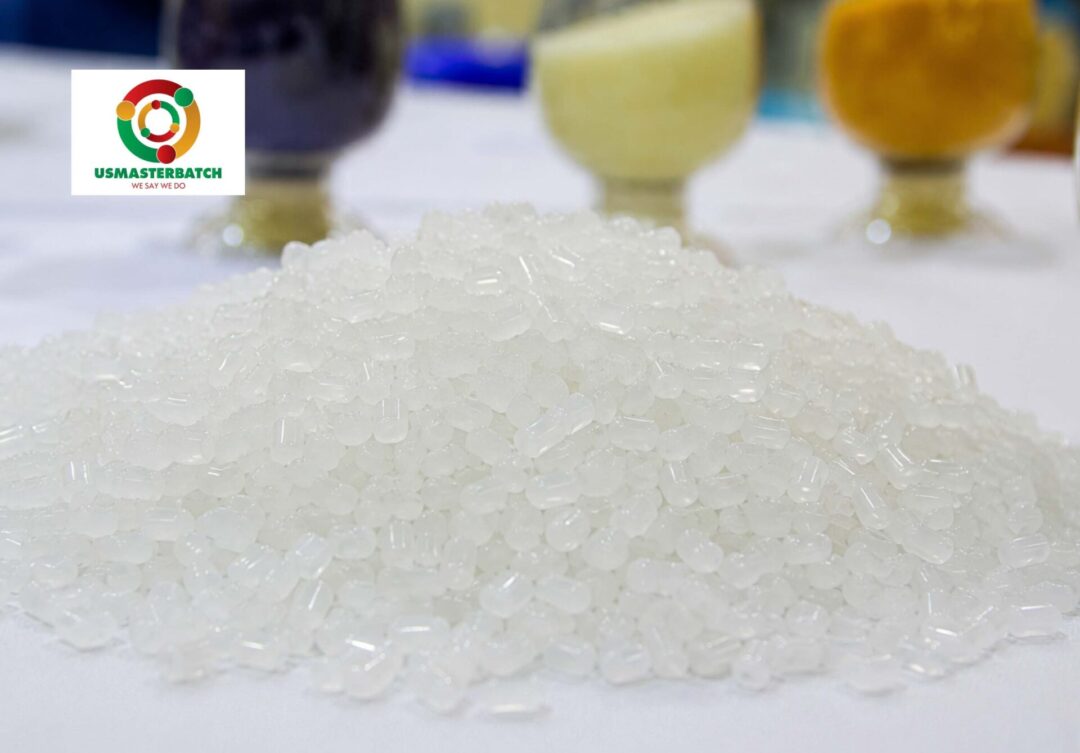
(Illustrative purpose only)
Slip additives are chemical agents added to plastic formulations to reduce the coefficient of friction (COF) between polymer surfaces or between the polymer and other materials. These additives are especially important in applications such as:
- Film extrusion (blown film, cast film)
- Packaging materials (bags, wraps)
- Injection molded parts
- Sheets and laminates
Without slip additives, plastic films can stick together (blocking), making them difficult to handle, open, or process further.
2. How Slip Additives for Plastics Work
Slip additives for plastics typically function through a process called migration. After being incorporated into the polymer matrix, the additive gradually migrates to the surface over time.
Once at the surface, it forms a thin lubricating layer that reduces friction. This effect improves:
- Film opening behavior
- Machine runnability
- Handling and stacking of products
The migration process depends on several factors:
- Molecular weight of the additive
- Compatibility with the polymer
- Temperature and storage conditions
3. Common Types of Slip Additives
There are several types of slip additives for plastics used in the industry, each offering different performance characteristics.
Fatty Acid Amides
These are the most commonly used Slip Additives. Examples include:
- Oleamide
- Erucamide
- Stearamide
Oleamide
- Fast migration
- Quick slip effect
- Suitable for short-term applications
Erucamide
- Slower migration
- More stable and long-lasting slip effect
- Preferred for high-performance films
Silicone-Based Additives
These Slip Additives provide excellent slip and lubrication, lower migration compared to amides, and are often used in engineering plastics.
Wax-Based Additives
Wax-based Slip Additives improve surface smoothness but are generally less effective in reducing COF compared to amides. They are often used in combination systems.
4. Key Benefits of Using Slip Additives for plastics
4.1 Improved Processability
Slip Additives reduce friction between the polymer and processing equipment, leading to:
- Smoother extrusion
- Reduced die build-up
- Lower energy consumption
4.2 Enhanced Product Performance
With properly selected Slip Additives, manufacturers can achieve:
- Easier opening of plastic bags
- Improved stacking and handling
- Reduced surface damage
4.3 Anti-Blocking Effect (When Combined)
Slip Additives are often used together with anti-block additives to:
- Prevent films from sticking together
- Improve film separation
5. Important Considerations When Using Slip Additives for Plastics
While slip additives for plastics offer many benefits, improper use can lead to several production and performance issues.
5.1 Dosage Optimization
Using the correct dosage of Slip Additives is essential.
- Too low → insufficient slip effect
- Too high → excessive migration, blooming, or surface defects
Typical dosage ranges:
- 500 ppm to 2000 ppm depending on application
Tip: Always test different concentrations to find the optimal balance between performance and cost.
5.2 Migration Behavior
Migration is both an advantage and a challenge when working with slip additives for plastics.
Key points:
- Fast migration = quick effect but may decrease over time
- Slow migration = stable long-term performance
Factors affecting migration:
- Storage temperature
- Film thickness
- Polymer type (LDPE, HDPE, PP, etc.)
5.3 Compatibility with Polymer
Different polymers interact differently with slip additives for plastics:
- Polyethylene (PE): very compatible, widely used
- Polypropylene (PP): requires careful selection
- Engineering plastics: may need silicone-based additives
Poor compatibility can lead to:
- Uneven surface properties
- Reduced effectiveness
5.4 Impact on Printing and Sealing
One of the most common issues associated with slip additives for plastics is their impact on downstream processes.
Printing Issues
Excessive slip can reduce ink adhesion because the surface becomes too slippery for proper bonding.
Heat Sealing Issues
Slip additives can migrate into the sealing layer and reduce seal strength.
Solutions:
- Use controlled dosage
- Choose additives with appropriate migration speed
- Consider corona or plasma treatment
5.5 Blooming Effect
Blooming occurs when excessive amounts of Slip additives migrate to the surface and form a visible layer.
Problems caused:
- Hazy or cloudy appearance
- Reduced transparency
- Poor aesthetics
How to avoid:
- Optimize dosage
- Use higher molecular weight additives (e.g., erucamide instead of oleamide)
5.6 Interaction with Anti-Block Additives
Slip additives are often combined with anti-block agents such as silica.
However, improper balance can lead to:
- Increased COF (anti-block too high)
- Dusting issues
- Processing difficulties
Best practice:
- Optimize the ratio of slip and anti-block additives
- Conduct real production trials
5.7 Effect on Optical Properties
Slip additives can influence:
- Transparency
- Gloss
- Haze
For high-clarity films such as food packaging, this is especially critical.
Recommendation:
- Use high-purity additives
- Avoid overdosing
5.8 Regulatory and Food Contact Compliance
For food packaging applications, slip additives must comply with regulations such as:
- FDA (USA)
- EU food contact regulations
Important considerations:
- Check migration limits
- Ensure additive grade is approved
5.9 Storage and Handling
Proper storage is important to maintain the stability and performance of slip additives for plastics.
Key points:
- Store in cool, dry conditions
- Avoid high temperatures that accelerate migration
- Use materials within recommended shelf life
6. Application-Specific Recommendations for Slip Additives for Plastics
6.1 Blown Film
- Use erucamide for long-term slip
- Combine with anti-block for best results
- Monitor COF over time
6.2 Cast Film
- Faster migration may be required
- Oleamide can be suitable
6.3 Injection Molding
- Use silicone-based slip additives
- Improve mold release and surface finish
6.4 Packaging Films
- Balance slip and printability
- Avoid excessive surface migration
7. Testing and Quality Control
To ensure consistent performance of slip additives for plastics, manufacturers should conduct:
COF Testing
- Static COF
- Dynamic COF
Migration Testing
- Monitor performance over time
Visual Inspection
- Check for blooming or haze
Printing and Sealing Tests
- Ensure downstream compatibility
8. Cost vs Performance Consideration
Although slip additives are relatively low-cost components, their impact on product quality and manufacturing efficiency is significant.
Key strategy:
- Do not choose based only on price
- Evaluate total performance:
- Process efficiency
- Product quality
- Customer satisfaction
9. Future Trends in Slip Additives for Plastics
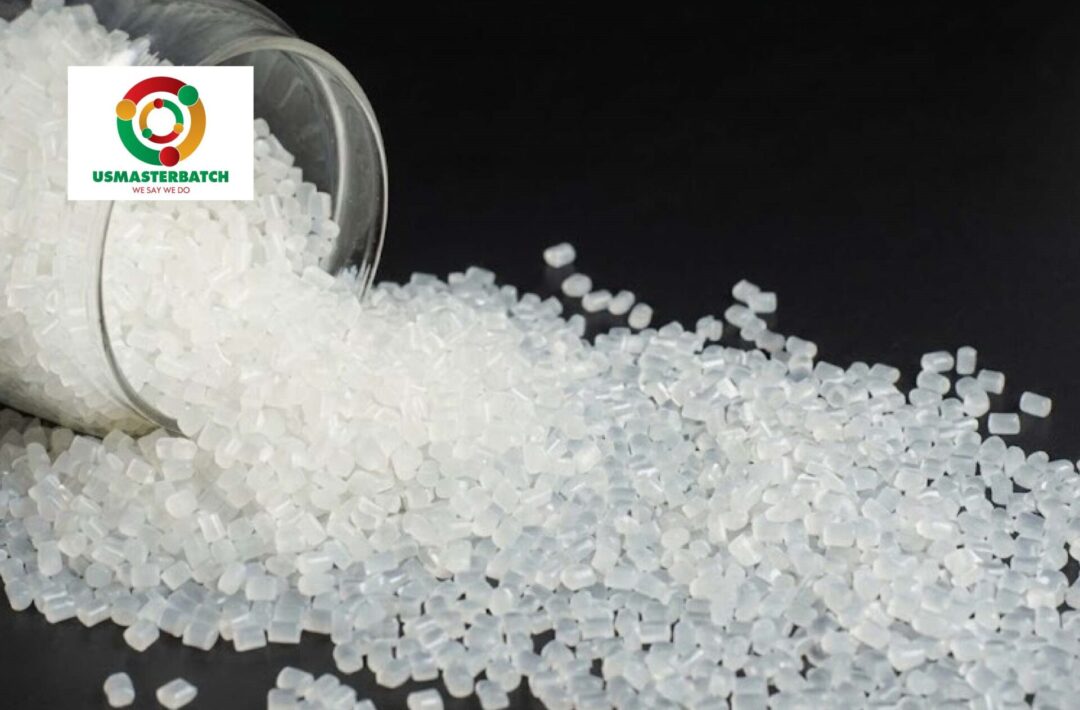
(Illustrative purpose only)
The market for slip additives for plastics is moving toward:
- Low-migration additives for better stability
- Non-blooming solutions
- Environmentally friendly additives
- Tailor-made masterbatch solutions
As sustainability becomes increasingly important, bio-based slip additives for plastics are also gaining attention.
Conclusion
At US Masterbatch, we understand that slip additives for plastics are essential components in modern plastic manufacturing, especially in film and packaging applications. They significantly improve processability, product handling, and overall performance. However, their effectiveness depends on careful selection, proper dosage, and a deep understanding of their behavior within the polymer matrix.
By considering factors such as migration, compatibility, impact on downstream processes, and regulatory requirements, manufacturers can maximize the benefits of Slip Additive while minimizing potential issues.
For businesses looking to optimize production and deliver high-quality plastic products, investing time in selecting and testing the right slip additives system is not just recommended, it is essential for long-term success.