Types of PVC Stabilizers: A Practical Guide
Types of PVC stabilizers include major categories, including tin stabilizers, each with distinct characteristics and applications. Polyvinyl chloride (PVC) is one of the most versatile and widely used plastics in industries ranging from construction to healthcare. However, PVC is inherently sensitive to heat and UV exposure. Without proper stabilization, it can degrade during processing and lose its performance over time.
The different types of PVC stabilizers are therefore essential additives that protect the polymer, ensuring both processing stability and long-term durability. In this article, US Masterbatch provides a comprehensive overview of the main types of PVC stabilizers, including the increasingly important tin stabilizers, along with their characteristics and applications.
Why Are PVC Stabilizers Important?
(Illustrative purpose only)
PVC begins to degrade when exposed to high temperatures, typically during processing (160–200°C). This degradation releases hydrogen chloride (HCl), which accelerates further breakdown of the material.
Stabilizers play several critical roles:
- Prevent thermal degradation during processing
- Improve long-term heat resistance
- Enhance UV and weather resistance
- Maintain color and clarity
- Extend product lifespan
Choosing the right stabilizer is therefore essential to ensure both product quality and compliance with regulatory standards.
Main Types of PVC Stabilizers
(Illustrative purpose only)
The main types of PVC stabilizers can be classified into several major groups based on their chemical composition and performance characteristics.
- Tin Stabilizers (Organotin Stabilizers)
Among the various types of PVC stabilizers, tin stabilizers are considered one of the most advanced and high-performance options used in PVC today. They are widely applied in rigid PVC formulations where clarity, hygiene, and long-term stability are critical.
Types of Tin Stabilizers:
- Methyl tin stabilizers
- Butyl tin stabilizers
- Octyl tin stabilizers (commonly used for food-contact applications)
Key Features:
- Exceptional thermal stability
- Excellent transparency
- Strong compatibility with rigid PVC
Advantages:
- Superior heat stability, enabling efficient processing
- Outstanding clarity, ideal for transparent applications
- Excellent long-term color retention
- Suitable for food contact and medical applications (depending on grade)
Limitations:
- Higher cost compared to other stabilizer systems
- Subject to regulatory control in certain markets
Applications:
- Drinking water pipes
- Transparent sheets and rigid packaging
- Medical devices
- High-end PVC profiles
Tin stabilizers are often considered the premium choice when performance, safety, and appearance are top priorities.
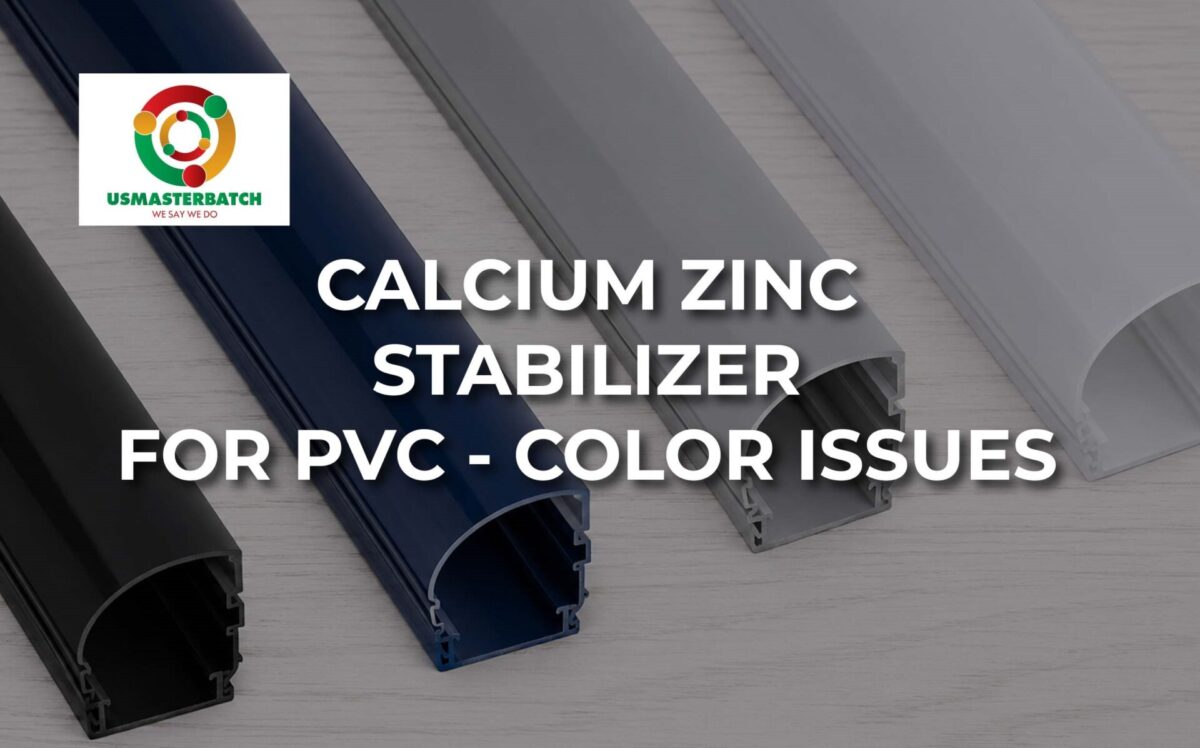
- Calcium-Zinc (Ca-Zn) Stabilizers
Calcium-zinc stabilizers are the most widely used environmentally friendly alternative to traditional stabilizers.
Key Features:
- Free from heavy metals such as lead and cadmium
- Compliant with global regulations (REACH, RoHS)
Advantages:
- Low toxicity and environmentally safe
- Good thermal stability with proper formulation
- Suitable for a wide range of applications
Limitations:
- Requires careful formulation with co-stabilizers
- Slightly lower initial stability compared to tin or lead systems
Applications:
- Pipes and fittings
- Window profiles
- Cables and wires
- Flexible and semi-rigid products
Ca-Zn stabilizers are now the mainstream choice in global markets due to sustainability requirements.
- Lead Stabilizers
Lead stabilizers are one of the traditional types of PVC stabilizers that have been widely used in the past, especially in rigid PVC applications, due to their strong performance and cost efficiency.
Key Features:
- Excellent heat stability
- Good electrical insulation properties
Advantages:
- Reliable long-term stability
- Cost-effective
Limitations:
- Toxicity concerns
- Increasingly restricted or banned in many regions
Applications:
- Pipes
- Cable insulation
- Construction materials (in markets where still permitted)
The use of lead stabilizers is declining as industries shift toward safer alternatives.
- Barium-Zinc (Ba-Zn) Stabilizers
Barium-zinc stabilizers are another type of PVC stabilizer commonly used in flexible PVC applications.
Key Features:
- Often combined with co-stabilizers such as epoxidized soybean oil (ESBO)
- Provide good initial color
Advantages:
- Good processing performance
- Suitable for flexible formulations
- Decent weather resistance
Limitations:
- Environmental concerns related to barium
- Gradually being replaced by Ca-Zn systems
Applications:
- Artificial leather
- Flexible films
- Coated fabrics
- Liquid Mixed Metal Stabilizers
Liquid stabilizers combine different metal components (Ca, Zn, Ba, K) into a single system, designed for ease of processing.
Key Features:
- Liquid form for easy handling
- Customizable composition
Advantages:
- Excellent dispersion in PVC
- Suitable for high-speed processing
- Consistent product quality
Applications:
- Flexible PVC
- Flooring materials
- Synthetic leather
- Rare Earth Stabilizers
Rare earth stabilizers represent one of the newest types of PVC stabilizers, offering both performance and environmental benefits.
Key Features:
- Based on elements such as lanthanum and cerium
Advantages:
- Excellent thermal stability
- Strong resistance to aging
- Eco-friendly profile
Limitations:
- Higher cost
- Limited commercial availability
Applications:
- Automotive components
- High-performance construction materials
- Specialty PVC products
How to Choose the Right Type of PVC Stabilizer?
Selecting the appropriate stabilizer depends on multiple factors:
- Application Requirements
Rigid vs. flexible PVC, transparency, mechanical strength
- Processing Conditions
Temperature, shear rate, and production speed
- Regulatory Compliance
REACH, RoHS, FDA, and other standards
- Cost vs. Performance
Balancing budget constraints with product quality
- End-Use Expectations
Durability, color stability, weather resistance
For example:
- Choose tin stabilizers for high-end, transparent, or hygienic applications
- Choose Ca-Zn stabilizers for eco-friendly, general-purpose use
- Avoid lead stabilizers where regulations are strict
Future Trends in Types of PVC Stabilizers
The PVC industry is undergoing a significant transformation driven by environmental and regulatory pressures.
Key trends include:
- Transition to non-toxic stabilizers (Ca-Zn, organic systems)
- Growth of high-performance tin stabilizers in premium applications
- Development of bio-based and low-VOC additives
- Increased focus on sustainability and recyclability
Conclusion
PVC stabilizers are essential to ensure the performance, durability, and safety of PVC products. Each type offers unique advantages depending on the application.
As global markets continue to prioritize sustainability and performance, selecting the right stabilizer system becomes a strategic decision for manufacturers. Understanding these options allows businesses to optimize formulations, meet regulatory requirements, and deliver high-quality PVC products. Contact US Masterbatch today to discuss the most suitable PVC stabilizer solution for your production requirements.