Impact Modifiers for PVC: Enhancing Durability & Versatility
[US Masterbatch] Impact Modifiers for PVC are essential for improving the brittleness of rigid PVC (uPVC), one of the most widely used polymers in the world. Valued for its cost-effectiveness, chemical resistance, and inherent flame retardancy, PVC still possesses a significant drawback in its rigid state: brittleness. When subjected to sudden stress or cold temperatures, rigid PVC is prone to cracking or shattering. To overcome this limitation and expand its industrial applications, Impact Modifiers are essential additives.
What are Impact Modifiers for PVC?
Impact Modifiers for PVC are a specialized additives incorporated into the PVC formulation to improve the finished product’s ability to withstand mechanical stress and impact forces. These modifiers work by absorbing and dissipating energy, preventing the propagation of cracks throughout the polymer matrix.
In technical terms, they transform a brittle material into a toughened one by creating a “core-shell” structure or a networked morphology within the PVC resin. This ensures that the material remains intact even under harsh environmental conditions or high-speed impacts.
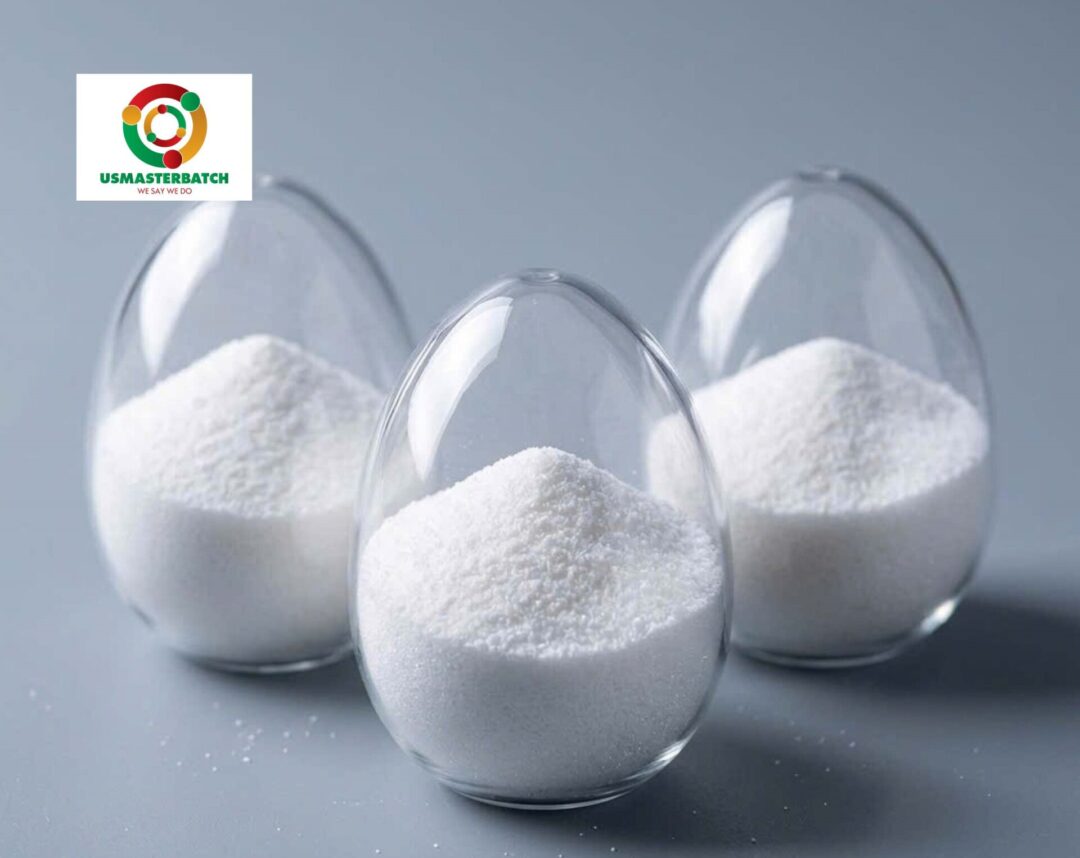
Key Types of Impact Modifiers for PVC
(Illustrative purpose only)
Different applications require different performance characteristics. Here are the most common types used in the industry:
1. Chlorinated Polyethylene (CPE)
CPE is perhaps the most widely used impact modifiers for rigid PVC products like window profiles and pipes. Since CPE is derived from the chlorination of HDPE, it has excellent compatibility with PVC. It provides a good balance of impact strength, weatherability, and cost-effectiveness.
2. Acrylic Impact Modifiers (AIM)
AIMs are typically core-shell polymers with a rubbery core (butyl acrylate) and a rigid shell (methyl methacrylate). They are the gold standard for outdoor applications because they offer superior UV resistance and color stability. They are frequently used in high-end PVC siding and premium window frames.
3. Methyl Methacrylate Butadiene Styrene (MBS)
MBS modifiers provide exceptional impact strength and, most importantly, high transparency. They are the preferred choice for clear PVC applications such as blister packaging, transparent sheets, and bottles. However, due to the butadiene component, they have poor weatherability and are generally restricted to indoor use.
4. Ethylene-Vinyl Acetate (EVA)
EVA is often used in specialized PVC formulations where flexibility and low-temperature impact resistance are required. It is commonly found in cables and certain types of flexible hoses.
The Mechanism of Action: How Impact Modifiers for PVC Work
Impact Modifiers for PVC typically work through a process called Crazing and Shear Yielding. When a modified PVC product is struck, the rubbery particles of the impact modifier act as “stress concentrators”.
Instead of a single large crack forming, the energy is diverted into thousands of microscopic “crazes” or localized plastic deformations (shear yielding). This massive internal surface area creation consumes the impact energy, stopping a catastrophic failure from occurring.
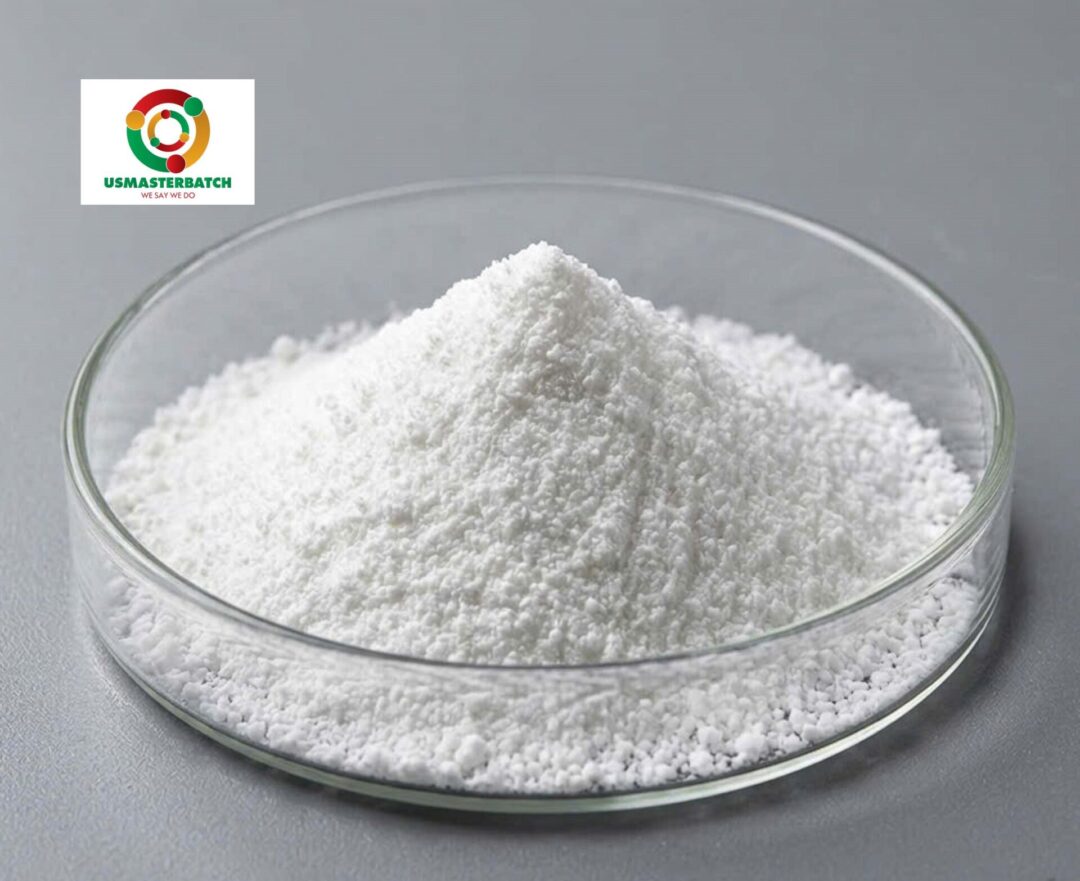
Essential Benefits in Industrial Applications
(Illustrative purpose only)
Impact Modifiers for PVC offer several critical advantages when integrated into a PVC formulation:
- Improved Low-Temperature Performance: PVC naturally becomes more brittle as temperatures drop. Impact modifiers allow PVC pipes and profiles to be installed and used in cold climates without the risk of cracking during handling.
- Enhanced Processing Stability: Many modifiers also act as processing aids, improving the melt strength of the PVC during extrusion or injection molding. This leads to a smoother surface finish and fewer production defects.
- Long-Term Durability: For construction materials, longevity is key. Modifiers (especially Acrylic types) ensure that the PVC does not become brittle over years of exposure to sunlight and fluctuating temperatures.
- Cost Efficiency: By improving the toughness of the material, manufacturers can often design thinner-walled products that maintain the same strength, saving on total material costs.
Common Applications
The versatility of impact-modified PVC is evident across various sectors:
- Construction: Window and door profiles, siding, gutters, and fencing.
- Infrastructure: Water pressure pipes, sewage pipes, and electrical conduits.
- Packaging: Transparent rigid films, credit cards, and pharmaceutical blisters.
- Automotive: Interior trims and protective underbody components.
Choosing the Right Supplier
Impact Modifiers for PVC solutions from reputable suppliers are essential for maintaining product standards in the competitive polymer additive market. Reputable suppliers, such as US Masterbatch, provide a range of advanced solutions tailored to specific PVC requirements. Whether the goal is achieving high transparency with MBS or ensuring 20-year weatherability with Acrylic modifiers, working with a knowledgeable partner ensures that the chemical balance is optimized for both performance and cost.
Conclusion
Impact modifiers are the “unsung heroes” of the PVC industry. They take a rigid, brittle polymer and turn it into a durable, high-performance material capable of building the world’s infrastructure. As the demand for sustainable and long-lasting construction materials grows, the innovation in impact modification technology – focusing on higher efficiency and better environmental footprints – continues to be a driving force in polymer science.