Plastic UV Stabilizers Categories
[US Masterbatch] Plastic UV Stabilizers play a critical role in protecting polymers used in outdoor environments from ultraviolet degradation. Prolonged exposure to sunlight can lead to discoloration, brittleness, surface cracking, and reduced mechanical performance. To prevent these issues, manufacturers rely on specialized additives that protect polymers from UV induced damage.
Among the many considerations in polymer formulation, understanding the classification of these additives is essential. Different stabilizer types function through distinct mechanisms, making them suitable for specific polymers and applications. Selecting the right category ensures optimal durability, appearance retention, and long term product performance.
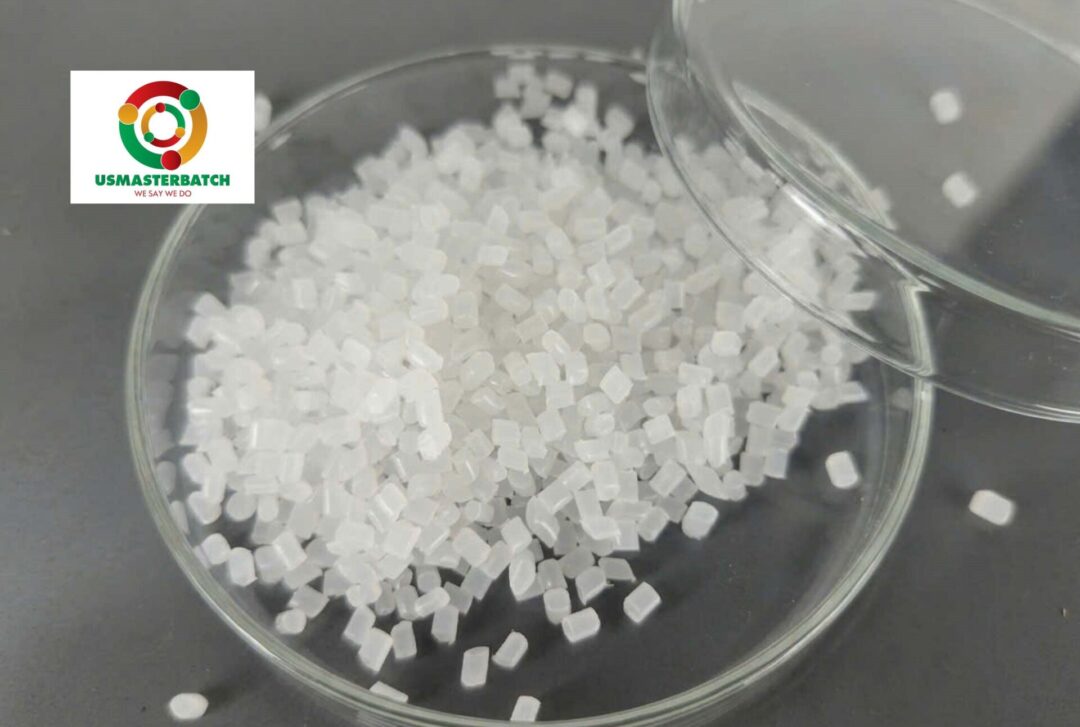
(Illustrative purpose only)
1. UV Absorbers
UV absorbers are one of the most widely used categories of plastic UV stabilizers. Their primary function is to absorb harmful ultraviolet radiation before it can damage the polymer structure. The absorbed UV energy is then converted into harmless heat.
This category is especially effective in transparent and semi-transparent plastic products where maintaining clarity is important.
Main Types of UV Absorbers
- Benzophenones
- Benzotriazoles
- Triazines
Key Characteristics
- Strong absorption of UV radiation
- Suitable for clear plastics
- Effective in thin films and sheets
- Helps preserve optical properties
Typical Applications
UV absorbers are commonly used in polycarbonate, acrylic, PET, and PVC products, especially in packaging films, greenhouse covers, and transparent panels.
2. Hindered Amine Light Stabilizers (HALS)
Hindered Amine Light Stabilizers, commonly known as HALS, represent another major classification of plastic UV stabilizers. Unlike UV absorbers, HALS do not absorb UV light directly. Instead, they neutralize free radicals generated during the photo-oxidation process.
This mechanism allows HALS to provide long-term protection, making them highly effective in outdoor applications.
Key Characteristics
- Excellent long-term performance
- Highly efficient at low concentrations
- Strong resistance to weathering
- Works by scavenging degradation radicals
Typical Applications
HALS are widely used in polypropylene, polyethylene, and engineering plastics for automotive parts, agricultural films, construction materials, and outdoor furniture.
3. Quenchers in Plastic UV Stabilizers
Quenchers are a less common but important category in the classification of plastic UV stabilizers. Their role is to deactivate excited polymer molecules before they can trigger degradation reactions.
By dissipating excess energy, quenchers reduce the risk of photo-induced damage.
Common Types
- Nickel-based compounds
- Metal chelates
Key Characteristics
- Effective in specialty polymers
- Useful in high-performance applications
- Functions by deactivating excited states
Typical Applications
Quenchers are typically used in specialty coatings, fibers, and engineering plastics where advanced UV protection is required.
4. Antioxidants as Secondary UV Protection Agents
Although antioxidants are not direct plastic UV stabilizers, they are often included in UV protection systems and are considered part of the broader classification of stabilization additives.
Their main role is to inhibit oxidation reactions that occur after UV exposure has initiated polymer degradation.
Types of Antioxidants
- Primary antioxidants
- Secondary antioxidants
Key Characteristics
- Supports UV stabilizer performance
- Improves thermal stability
- Extends overall product lifespan
Typical Applications
Antioxidants are widely used in almost all polymer systems, particularly in products exposed to heat and oxygen during processing and service life.
5. Synergistic Plastic UV Stabilizer Systems
In modern plastic manufacturing, plastic UV stabilizer systems often rely on combinations of stabilizer categories rather than a single additive type. This creates synergistic systems that provide enhanced protection.
For example:
- UV absorbers + HALS for transparent outdoor products
- HALS + antioxidants for polyolefins
- UV absorbers + quenchers for specialty polymers
Benefits of Combination Systems

(Illustrative purpose only)
- Broader protection range
- Improved long-term stability
- Better resistance to multiple degradation pathways
This classification approach allows manufacturers to tailor Plastic UV Stabilizer systems according to product requirements.
6. Advanced Plastic UV Stabilizers Classifications
As polymer technology evolves, new plastic UV stabilizer classifications are emerging to address sustainability and performance challenges.
Nano-Based UV Stabilizers
Nanoparticles such as titanium dioxide and zinc oxide are increasingly used for UV shielding.
Characteristics
- High UV-blocking efficiency
- Enhanced durability
- Suitable for advanced composites
Bio-Based UV Stabilizers
Derived from renewable resources, bio-based stabilizers are gaining attention for eco-friendly formulations.
Characteristics
- Sustainable alternative
- Lower environmental impact
- Growing relevance in green manufacturing
Conclusion
The classification of plastic UV stabilizers can be broadly divided into UV absorbers, Hindered Amine Light Stabilizers (HALS), quenchers, antioxidants, and emerging advanced systems such as nano-based and bio-based stabilizers.
Each category serves a unique role in protecting plastics from UV-induced degradation. Understanding these classifications helps manufacturers choose the most effective solution for their products, ensuring better durability, appearance retention, and long-term value.
In today’s competitive plastics industry, mastering the classification of Plastic UV Stabilizers is essential for producing high-performance materials that meet market demands. Companies such as US Masterbatch are part of the growing market focused on advanced material solutions.