Antiblock Additive – Enhancing Film Efficiency
In the high-stakes world of plastic film production, small technical hurdles can lead to significant operational bottlenecks. One of the most common yet frustrating challenges is “blocking” — the tendency of plastic film layers to adhere to one another, making them nearly impossible to separate. Whether it is a consumer struggling to open a grocery bag or a manufacturer facing downtime on a high-speed packaging line, blocking is a costly nuisance. This is where Antiblock Additive comes into play. As an essential component in modern polymer processing, these additives ensure that films remain functional, aesthetic, and easy to handle. In this article, we will explore what antiblock additive is, their core benefits, and how they are revolutionizing end-product manufacturing.
What is Antiblock Additive?
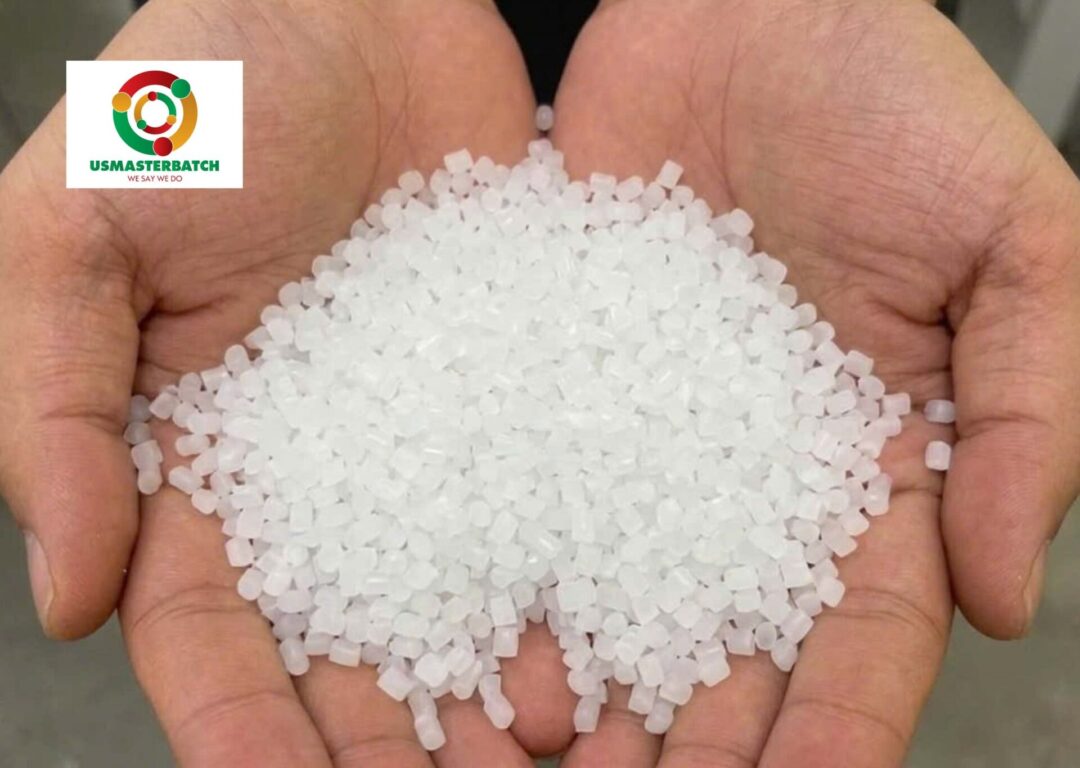
At its core, an Antiblock Additive is a specialized masterbatch designed to prevent the adhesion between layers of plastic film (typically PE or PP) during or after processing. This adhesion, known as “blocking”, occurs due to the smooth surface of the polymer films, which creates a vacuum-like effect or allows van der Waals forces to bond the layers together under pressure or heat.
Technically, antiblock additives work by creating “micro-roughness” on the film’s surface. By incorporating microscopic inorganic particles into the polymer matrix, the additive alters the surface topography. These particles protrude slightly from the film surface, creating a physical gap between layers. This reduces the contact area and significantly lowers the Coefficient of Friction (COF), allowing the layers to glide over each other easily.
Commonly used materials in these additives include:
- Natural or Synthetic Silica: Known for high clarity and efficiency.
- Talc: A cost-effective solution often used in thicker films.
- Calcium Carbonate (CaCO3): Used for specific applications where cost and opacity are balanced.
Key Benefits of Antiblock Additive
Integrating high-quality antiblock masterbatches into your production process offers several strategic advantages:
1. Improved Processing and Productivity
In industrial settings, speed is everything. High-speed extrusion and winding lines require films to move smoothly without sticking to rollers or themselves. Antiblock additive prevents “roll blocking”, ensuring that film rolls can be unwound easily for subsequent processes like printing, laminating, or bag-making.
2. Enhanced Consumer Experience
We have all experienced the frustration of trying to open a plastic bag that seems “glued” shut. For end-users, antiblock additive is the reason why shopping bags, trash bags, and food packaging open effortlessly. This is a critical quality benchmark for brands aiming to maintain customer satisfaction.
3. Optimization of Optical Properties
A common concern with additives is the potential loss of transparency. However, advanced antiblock solutions are engineered to provide maximum “anti-stick” properties while maintaining excellent clarity and low haze. This is vital for food packaging where product visibility is a key selling point.
4. Compatibility with Slip Agents
Antiblock additive is frequently used in tandem with Slip Additives. While slip agents bloom to the surface to provide lubrication, antiblock particles provide the physical spacing needed for the slip agents to perform more effectively.
Strategic Applications in End-Product Manufacturing
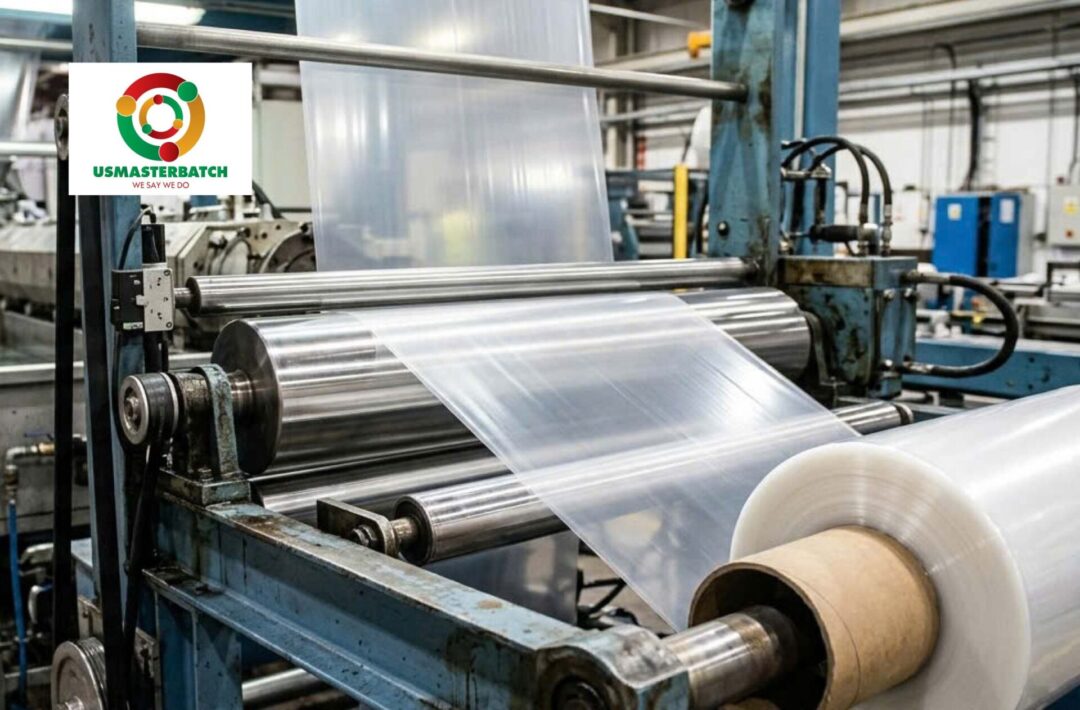
(Illustrative purposes only)
Antiblock additive is indispensable across various sectors of the plastic industry:
- Blown Film Extrusion: Used extensively in the production of HDPE, LLDPE, and LDPE films for shopping bags, liners, and agricultural films. It ensures that the “bubble” does not collapse or stick to itself during the cooling process.
- Cast Film Production: In the manufacturing of stretch films and garment packaging, antiblock additive prevents the layers from fusing during the winding process on high-capacity machinery.
- Biaxially Oriented Polypropylene (BOPP) Films: High-clarity packaging for snacks and confectionery relies on ultra-fine antiblock particles to maintain high-speed packaging efficiency without sacrificing the “premium” glossy look.
Discover US Masterbatch’s Antiblock Solutions
As a leading manufacturer with a global footprint and a production capacity of 408,000 tons per year, US Masterbatch provides high-performance Antiblock Additive tailored to meet the rigorous standards of international markets.
Our Antiblock Masterbatch is formulated with precision-engineered particles to ensure uniform dispersion and consistent performance. We understand that every production line is unique, which is why our R&D center focuses on balancing anti-blocking efficiency with optical clarity.
Technical Specifications:
- Carrier Resin: PE/PP (Customizable based on your base resin).
- Active Content: High-purity Synthetic Silica or Natural Minerals (Talc/Silica blend).
- Particle Size: Optimized D50 and D97 to ensure no “fish-eyes” or surface defects.
- Dosage: Typically 1% – 5%, depending on film thickness and desired COF.
- Compliance: Fully compliant with FDA, REACH, and RoHS standards, making our products safe for food contact and global export.
At US Masterbatch, we live by the motto “We Say We Do”. We don’t just provide additives; we provide technical solutions that optimize your costs and enhance your product quality.