
Polycarbonate Flame Retardant -The Invisible Shield for Engineering Plastics
[US Masterbatch] In the world of engineering plastics, Polycarbonate (PC) is a superstar. Known for its incredible impact resistance, high heat stability, and glass-like transparency, it is the material of choice for everything from bulletproof windows to electrical connectors. However, like most carbon-based polymers, Polycarbonate has a weakness: Fire. While PC is naturally more flame-resistant than commodity plastics like Polyethylene (PE) or Polypropylene (PP), it still requires specialized additives to meet strict safety standards like UL94 V-0. As a technical expert with over a decade in the masterbatch industry, I often get asked: “What exactly is a Polycarbonate Flame Retardant, and how does it work without ruining the clarity of the plastic?”
This article explores the chemistry, types, and critical importance of Flame Retardant (FR) systems for Polycarbonate.
1. What is Polycarbonate Flame Retardant?
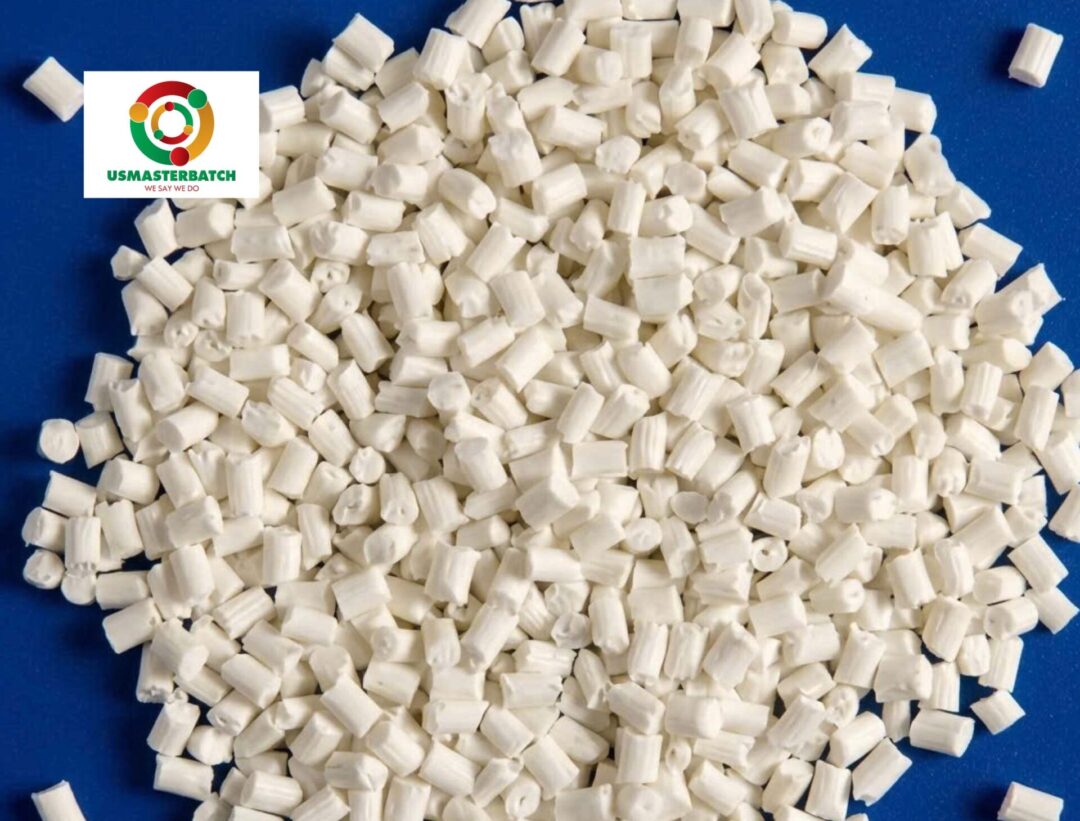
(Illustrative purposes only)
Polycarbonate Flame Retardant is a chemical additive or masterbatch specifically formulated to inhibit the ignition or spread of fire in polycarbonate resin.
Unlike standard fillers (like CaCO3) that simply bulk up the material, FR additives function as chemical interrupters. When the plastic is exposed to a flame, these additives activate to:
- Stop the chain reaction: They capture the high-energy free radicals created by combustion.
- From a char layer: They create a carbonized barrier on the surface that cuts off oxygen and heat from the material underneath.
Why is PC different from other plastics?
Standard Polycarbonate has a Limiting Oxygen Index (LOI) of about 26%. This means it is “self-extinguishing” to a degree. However, in high-voltage electronics (like EV chargers or laptop adapters), “self-extinguishing” isn’t enough. The material must not drip flaming particles, and it must stop burning almost immediately.
This is where the FR Masterbatch becomes essential.
2. The Technical Challenge: Transparency vs. Safety
The biggest challenge in manufacturing Polycarbonate Flame Retardant is Clarity.
One of PC’s main selling points is its transparency. Many traditional flame retardants (like certain brominated compounds or mineral fillers) are opaque. If you add them to PC, the plastic turns cloudy or white.
Therefore, a high-quality Polycarbonate Flame Retardant must be:
- Highly Effective: Achieving UL94 V-0 ratings at very low thickness (e.g., 0.8mm or 1.6mm).
- Transparent: Maintaining the light transmission and low haze of the virgin resin.
- Thermally Stable: PC is processed at high temperatures (280°C – 320°C). The additive must not degrade or turn yellow during injection molding.
3. The Two Main Types of Polycarbonate Flame Retardant
In the current global market, Polycarbonate Flame Retardant solutions generally fall into two categories:
Halogenated FR (Bromine-Based)
Historically, Bromine was the king of fire safety.
- Pros: Extremely efficient. You need very little of it to stop a fire.
- Cons: Environmental concerns. When burned, they can release toxic smoke. Many global regulations (like EU REACH) are moving away from halogens. Furthermore, some brominated additives can affect the UV stability of PC, causing yellowing over time.
Non-Halogen FR (Phosphorus & Salts) – The Modern Standard
Today, the industry prefers Halogen-Free Flame Retardants (HFFR) for Polycarbonate. These are often based on:
- Phosphate Esters (e.g., BDP, RDP): These are liquid or solid additives that work well but can plasticize the PC (lowering its heat resistance).
- Sulfonate Salts (e.g., KSS): These are highly advanced “salt” additives. You only need a tiny amount (less than 1%) to achieve flame retardancy. Because the loading is so low, the PC remains perfectly clear and tough.
Technical Note: To prevent “flaming drips” (which cause fires to spread downwards), manufacturers often add a tiny amount of PTFE (Teflon) as an anti-dripping agent alongside the main flame retardant.
4. Key Applications of Polycarbonate Flame Retardant
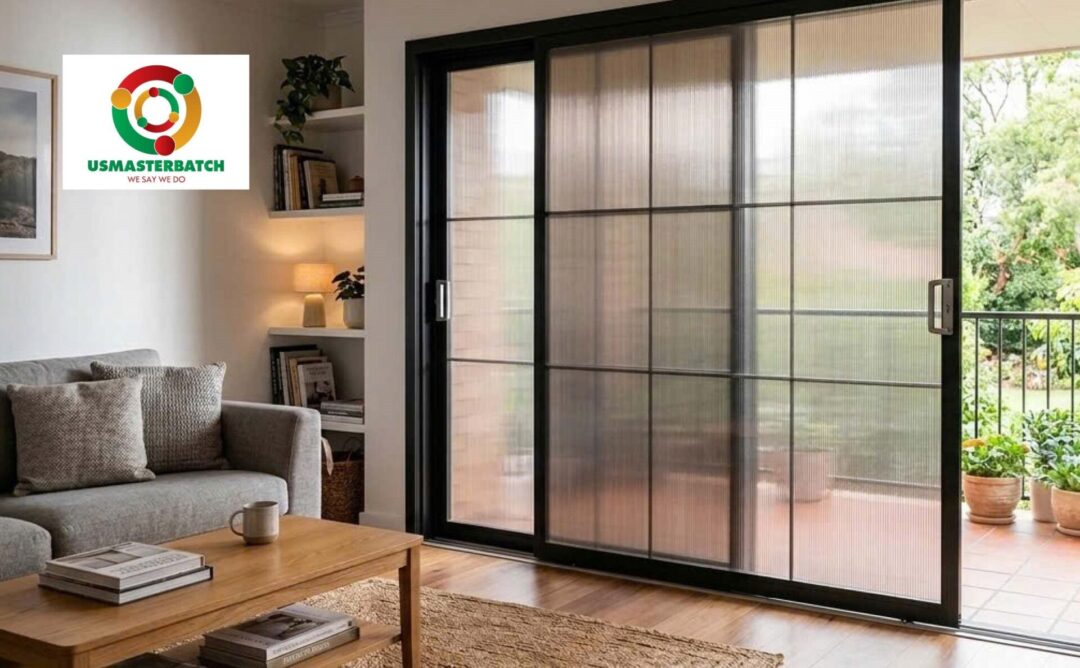
(Illustrative purposes only)
Where will you find Polycarbonate containing these additives?
- E-Mobility (Electric Vehicles): Battery module casings and charging stations require the highest fire safety ratings due to high voltage.
- Consumer Electronics: The casing of your Wi-Fi router, laptop, or power strip is likely made of FR-PC or PC/ABS blends.
- Construction: Transparent roofing sheets (multi-wall sheets) often contain FR additives to prevent fire spread in buildings.
- LED Lighting: Lenses and covers that must be clear but fire-resistant.
5. Understanding the UL94 Standard
When sourcing engineering plastics, you will often hear “UL94”. This is the global benchmark for safety.
- UL94 HB (Horizontal Burn): The lowest rating. The burning rate is slow, but it burns.
- UL94 V-2: Burning stops within 30 seconds but flaming drips are allowed. (Common for lower-end electrical parts).
- UL94 V-0: The Gold Standard. Burning stops within 10 seconds, and no flaming drips are allowed.
For most high-tech applications involving Polycarbonate, V-0 is the mandatory requirement.