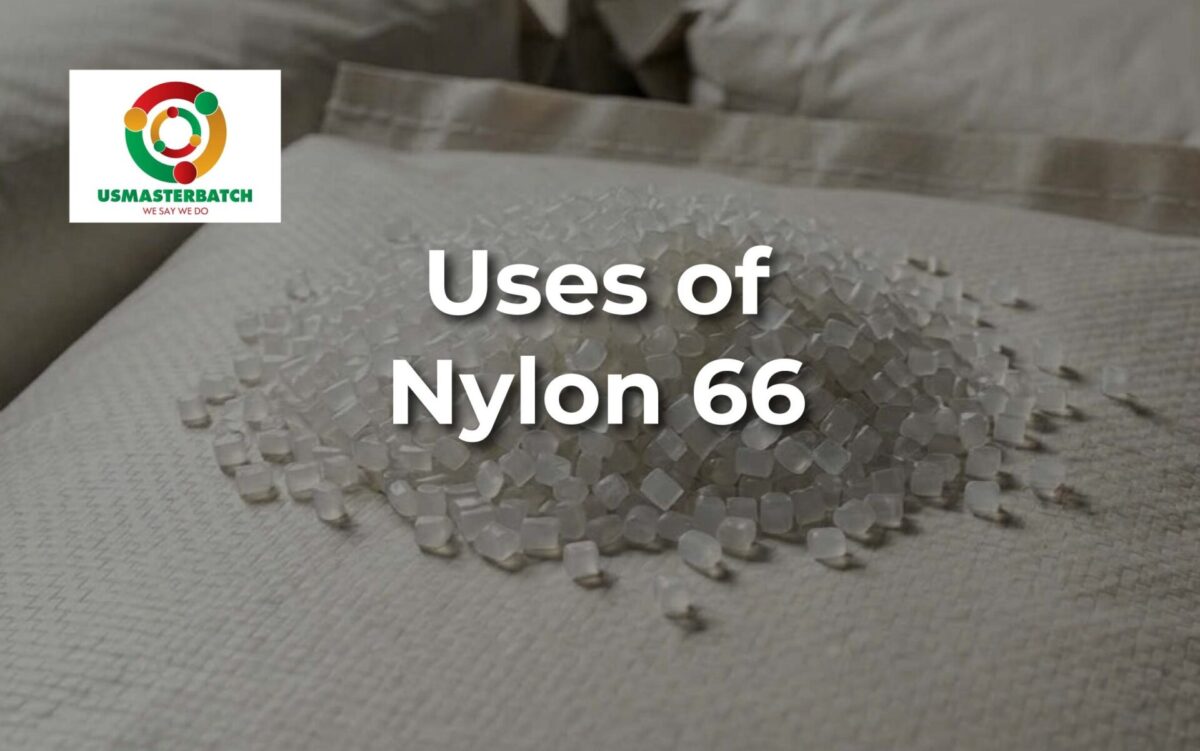
Uses of Nylon 66
This article explores the significant Uses of Nylon 66 and provides technical insights into how these uses affect the final product of the production process.
1. What is Nylon 66?
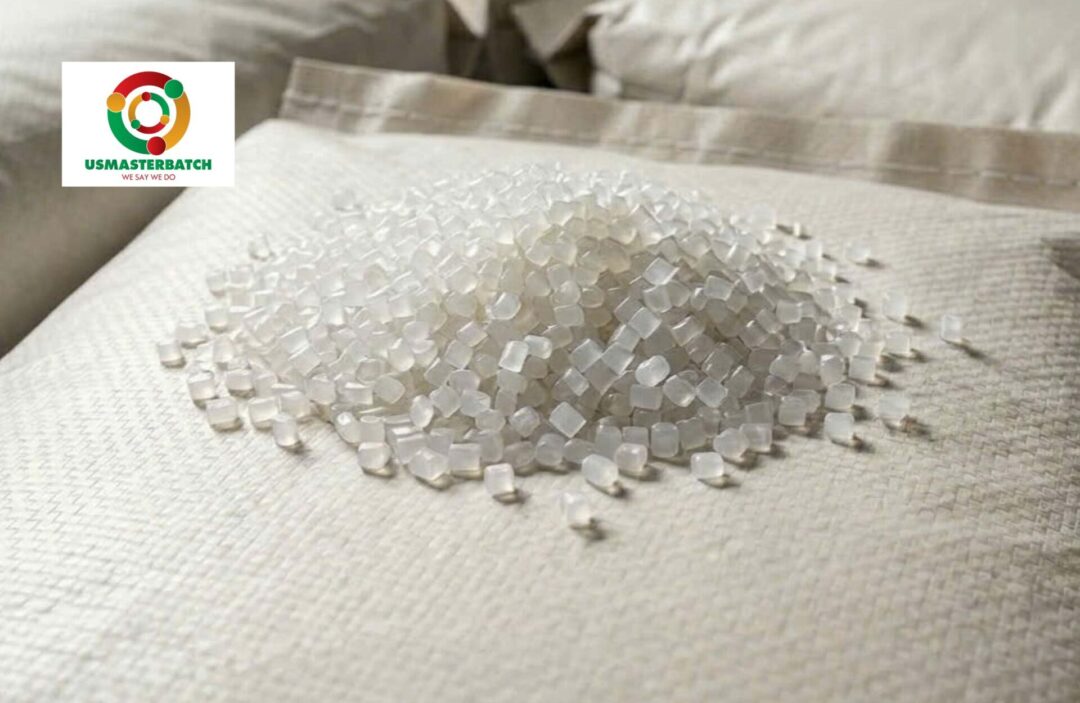
(Illustrative purposes only)
Nylon 66 is a synthetic polymer called a polyamide. The “66” refers to its chemical structure: it is made from two monomers (hexamethylenediamine and adipic acid), each containing exactly six carbon atoms.
What makes PA66 stand out from everyday plastics?
- High Melting Point: It melts at around 260°C to 265°C, which is significantly higher than Polypropylene or Polyethylene.
- Mechanical Strength: It has incredible tensile strength and rigidity, especially when reinforced with glass fibers.
- Chemical Resistance: It highly resists oils, greases, and most chemicals.
- Wear and Abrasion Resistance: It is tough and has a low coefficient of friction (meaning it is slippery and doesn’t wear down easily).
Because of these extreme properties, the uses of Nylon 66 are typically found in demanding environments where standard plastics would melt, break, or degrade.
2. The Top 5 Industrial Uses of Nylon 66
A. Automotive Industry: “Under-The-Hood” Components
If you look under the hood of a modern car, you are looking at a lot of Nylon 66. For decades, the automotive industry has used PA66 to replace heavy metal parts to reduce vehicle weight and improve fuel efficiency (and now, to increase EV battery range).
- Common parts: Radiator end tanks, air intake manifolds, engine covers, and oil pans.
- Why PA66? The engine bay is incredibly hot and filled with oil and chemicals. PA66 can withstand constant exposure to 150°C heat and automotive fluids without losing its shape.
B. Electrical and Electronics
Electricity generates heat, which means electrical housing needs a material that will not easily melt or catch fire.
- Common parts: Circuit breakers, electrical connectors, terminal blocks, and switch housings.
- Why PA66? It acts as an excellent electrical insulator. Furthermore, when compounded with the right Flame-Retardant additives, PA66 can easily meet strict UL94 V-0 fire safety standards, making it the safest choice for high-voltage components.
C. Industrial Machinery and Moving Parts
Because of its high wear resistance and “self-lubricating” properties, Nylon 66 is a favorite among mechanical engineers.
- Common parts: Gears, bearings, conveyor belt rollers, and pulleys.
- Why PA66? Metal gears require constant oiling and are noisy. PA66 gears run quietly, do not require external lubrication, and resist the constant friction of industrial machinery.
D. Textiles and High-Strength Fibers
Most people know “nylon” from clothing, but Nylon 66 is specifically used for heavy-duty, industrial-grade fabrics.
- Common parts: Automotive airbags, heavy-duty ropes, parachutes, tire cords, and industrial carpets.
- Why PA66? The fibers are incredibly strong, elastic, and resistant to tears. When a car airbag deploys at high speed, the PA66 fabric absorbs the explosive force without ripping.

(Illustrative purposes only)
E. Consumer Goods and Everyday Tools
Even in the consumer market, PA66 is used when a product simply cannot fail.
- Common parts: Zip ties (cable ties), guitar strings, power tool housing (like drills), and kitchen utensils (spatulas).
- Why PA66? Have you ever tried to break a standard industrial zip tie with your bare hands? That incredible pulling strength is the magic of Nylon 66.
3. The Masterbatch Challenge with Nylon 66
As a masterbatch expert, I must point out a critical manufacturing reality: Coloring or modifying Nylon 66 is very difficult.
Because PA66 processes at such high temperatures (over 260°C), you cannot use standard PE or PP-based masterbatches. If you put a standard color masterbatch into a PA66 machine, the carrier rein will burn, turning the product black and degrading its strength.
To modify PA66, manufacturers must use specialized high-heat pigments and specific polyamide-carrier masterbatches. Additionally, because Nylon absorbs moisture from the air (it is hygroscopic), both the resin and the master batch must be meticulously dried before processing.
Conclusion: Knowing Your Materials
Nylon 66 is a marvel of polymer engineering, holding our cars, electronics, and industrial machines together. However, it is also an expensive material that requires specialized high-temperature processing equipment.
For many applications — such as packaging, consumer household goods, or standard agricultural films, Nylon 66 is “over-engineered” and too costly. In those cases, high-quality Polypropylene (PP), Polyethylene (PE), or ABS, combined with the right performance masterbatches, is the smarter, more cost-effective choice.
At US MASTERBATCH, we do not manufacture Nylon 66 resin. Instead, we specialize in maximizing the performance of polyolefins. We help factories achieve incredible strength, perfect color dispersion, and high-end UV/Thermal protection for their PE, PP, and ABS products.
Are you designing a new plastic product and need help deciding on the right material or masterbatch formulation?
Contact the technical team at US MASTERBATCH today. We will give you an honest assessment of whether you need expensive engineering plastic, or if our high-performance masterbatches can upgrade your standard resins to do the job perfectly.