What is Extruded Polystyrene Insulation?
1. What is Extruded Polystyrene Insulation?
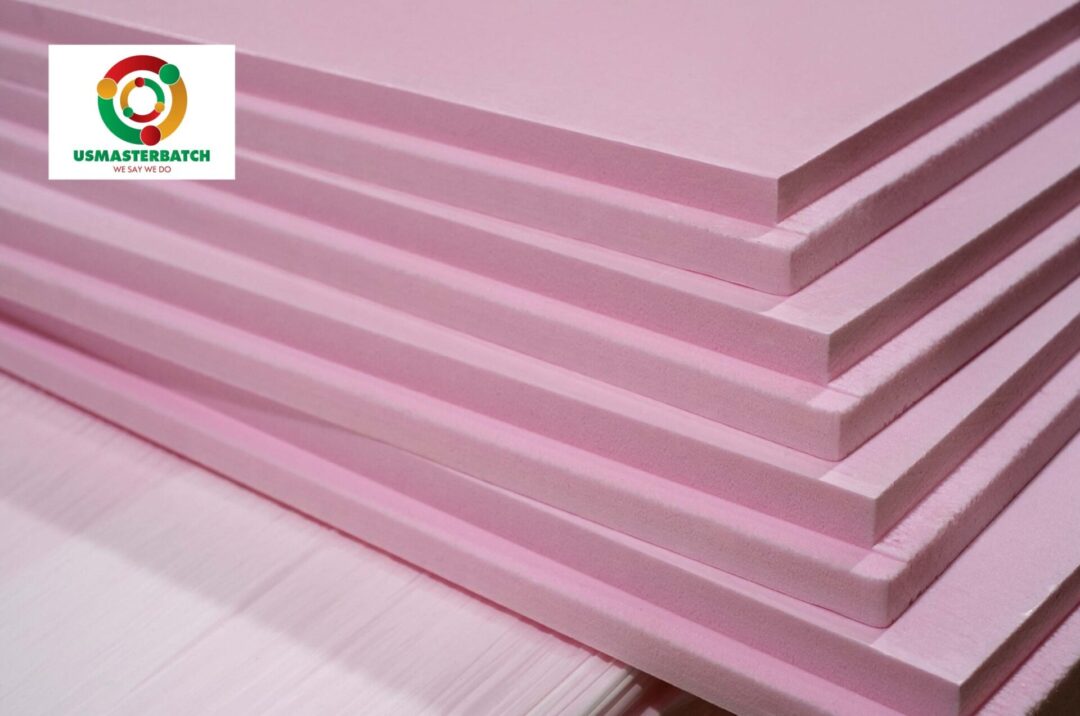
Extruded Polystyrene (XPS) Insulation
1.1.Definition
Extruded polystyrene (XPS) is a rigid, closed-cell foam insulation material known for its high compressive strength, moisture resistance, and thermal performance. It is made by melting polystyrene and forcing the liquid through a die, where it expands and cools to form a dense, rigid board. This process creates a material that is lightweight yet durable and is frequently used in building applications, particularly in areas prone to moisture like below-grade walls, foundations, and flat roofs.
1.2.Characteristics of Extruded Polystyrene Insulation?
- Closed-cell structure: This structure gives XPS a high compressive strength and makes it highly resistant to water and vapor absorption.
- High thermal resistance: It provides excellent insulation and helps resist conductive heat transfer.
- Durability: XPS is strong, rigid, and suitable for high-load applications.
- Moisture resistance: Its ability to resist moisture makes it a good choice for applications where water exposure is a concern.
- Lightweight and easy to install: It is easy to handle, cut, and install in various building applications.
- Chemical inertness: XPS foam board is a fairly chemically inert material. It is resistant to most acids, bases and aqueous solutions of salts and alkalis. However, many organic solvents such as acetone, chlorinated solvents and aromatic hydrocarbon solvents can attack the foam and cause it to dissolve.
1.3.Common applications
- Residential and commercial construction: Under slabs, floors, roofs, and walls
- Moisture-prone areas: Basements, inverted roofs, and below-grade walls
- Industrial and infrastructure: Refrigerated warehouses, cold storage floors, and in some highway and airport infrastructure projects
- Other uses: Model building and boat building, thanks to its flexibility and thermal properties

Common applications – Residential and commercial construction
2. Application of Filler Masterbatch in making Extruded Polystyrene (XPS) Insulation
Filler masterbatches are used in extruded polystyrene (XPS) insulation primarily to reduce production costs by replacing a portion of the more expensive base polymer with a cheaper alternative like calcium carbonate, and to enhance specific physical properties of the final foam board.
Key Applications and Benefits:
- Cost Reduction: The primary driver is economic. Fillers such as calcium carbonate (CaCO3) or talc are significantly cheaper than virgin polystyrene resin, allowing manufacturers to lower raw material expenses.
- Improved Mechanical Properties: Filler Masterbatches can enhance several mechanical characteristics of the XPS foam:
o Increased Stiffness and Rigidity: They help the final product maintain its shape and structural integrity, which is important for construction applications.
o Enhanced Dimensional Stability: The addition of fillers helps to improve the stability of the foam board, reducing warping or changes in size due to temperature variations or moisture.
o Higher Heat Deflection Resistance: Fillers can increase the material’s resistance to deformation under heat.
- Aesthetic Enhancements: Certain fillers can be used to boost the whiteness, glossiness, or opalescence of the final product, which may be desired for specific applications or markets.
- Processing Aids: Filler Masterbatches can improve the processing efficiency in the extruder by modifying the melt viscosity and ensuring a more constant flow, which helps maintain a high-quality surface finish on the foam board.
- Density Adjustment: Fillers offer a way to precisely control and adjust the final density of the XPS material to meet specific application requirements.
Types of Fillers Used
Common materials used in masterbatches for polystyrene applications include:
- Calcium Carbonate (CaCO3): A widely used mineral filler for its cost-effectiveness and ability to improve stiffness.
- Talc: Another mineral filler that can enhance mechanical properties.
- Graphite Powder: In specialized applications, modified graphite powder masterbatches are used to prepare expanded polystyrene (EPS) with improved thermal insulation properties.
Overall, the use of filler masterbatches is a versatile solution for tailoring the properties of XPS insulation while optimizing production costs.