Antistatic Additive – Benefits and Applications
Static electricity is a common problem in the plastics, packaging, and manufacturing industries. It can cause dust attraction, processing difficulties, product damage, and even safety hazards. To solve these issues, manufacturers often use antistatic additive — special compounds designed to reduce or eliminate static charge on plastic surfaces. In today’s competitive market, antistatic additives play an essential role in improving product performance, safety, and efficiency. This article will explain what antistatic additives are, their key benefits, and the main applications across various industries.
1. What Is an Antistatic Additive?
Antistatic additive is a chemical substance added to polymers or other materials to prevent the buildup of static electricity. During production, transportation, or usage, plastics easily accumulate static charge due to friction. This static charge can create unwanted effects, such as attracting dust or causing electrical discharge.
Antistatic additives work by enhancing surface conductivity, allowing electrical charges to dissipate more quickly. They create a microscopic, conductive layer on the material surface, preventing static buildup. Antistatic agents can be incorporated into the material during the manufacturing process (internal antistatic) or applied to the surface after production (external antistatic).
Common antistatic additives include:
- Glycerol monostearate (GMS)
- Ethoxylated amines
- Quaternary ammonium compounds
- Polyethylene oxide-based additives
- Fatty acid esters
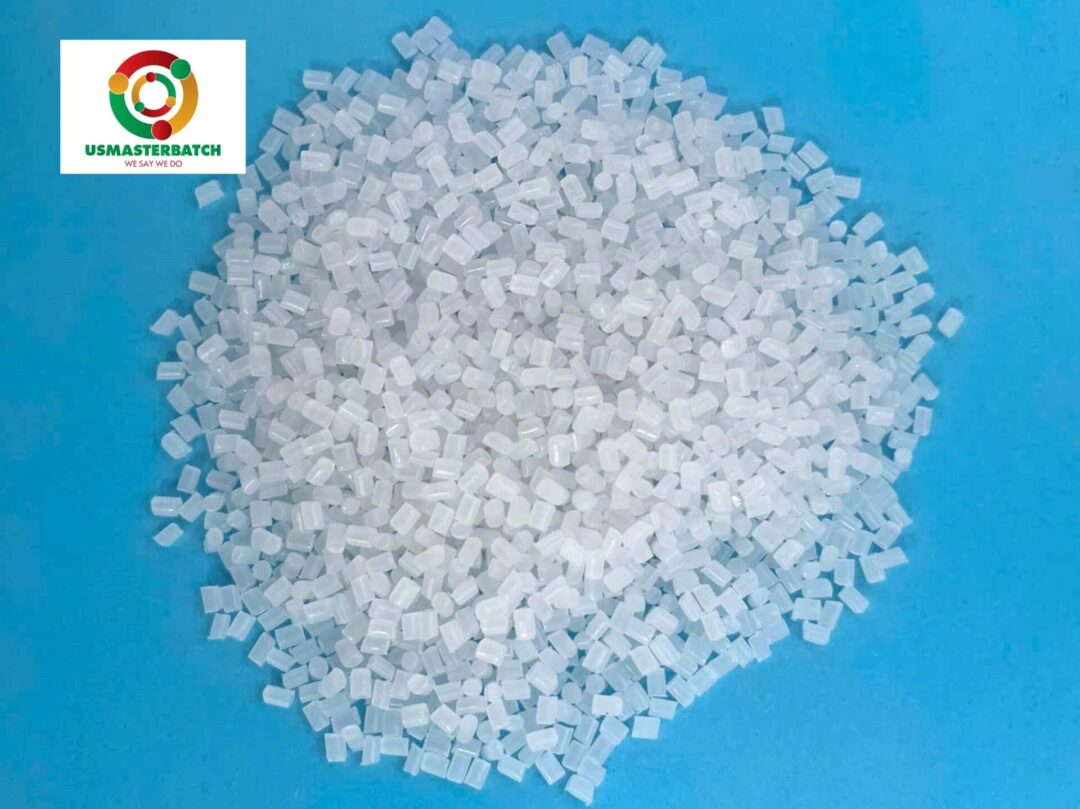
These additives are widely used in plastics such as PP, PE, PVC, PET, PS, and engineering polymers.
2. Key Benefits of Antistatic Additive
Using antistatic additives brings a range of advantages, especially in industries where cleanliness, safety, and product quality are crucial. Below are the most important benefits:
2.1 Reduce Dust and Dirt Attraction
Static charge causes plastic surfaces to attract dust particles, making products look dirty or low-quality. Antistatic additives prevent dust accumulation, ensuring a clean and clear appearance — particularly important for packaging films, electronic components, and consumer goods.
2.2 Improve Safety and Prevent Static Discharge
In industrial environments, static discharge can lead to sparks, posing risks in areas dealing with flammable chemicals or electronic components. Antistatic additives minimize these risks by quickly dissipating electrical charges.
2.3 Enhance Product Quality
Materials free of static charge are easier to handle during production. Antistatic additives improve:
- Machine efficiency
- Film roll quality
- Surface smoothness
- Printing and lamination performance
Manufacturers benefit from fewer defects and improved production stability.
2.4 Increase Processing Efficiency
Plastics with high static levels tend to stick together, causing blockages and downtime in production lines. Antistatic additives help materials move smoothly, reducing:
- Delays
- Equipment wear
- Downtime costs
This leads to more efficient processing and higher productivity.
2.5 Suitable for Food and Consumer Packaging
Many antistatic additives are food-contact approved, making them ideal for packaging films, food bags, and household products. They help maintain product hygiene and ensure clean, attractive packaging.
3. Main Applications of Antistatic Additive
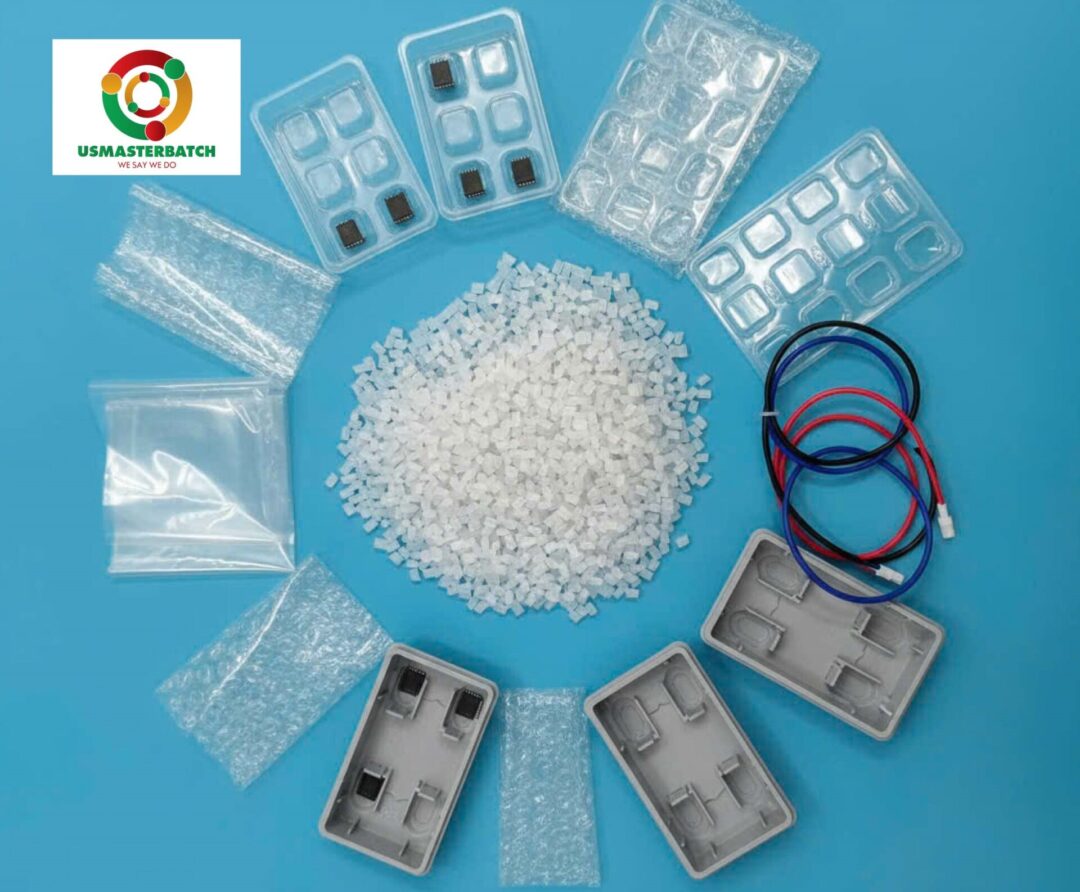
Antistatic additives are used across numerous industries due to their versatility and performance-enhancing properties. Below are the most common applications:
3.1 Plastic Packaging Films
One of the largest application areas is PP, PE, and multilayer packaging films. Antistatic additives reduce static charge during film blowing, cutting, and winding. They also keep the final product clean and prevent dust contamination.
3.2 Electronics and Electrical Components
Electronics are especially sensitive to static discharge. Antistatic additives are used in:
- Component trays
- Electronic packaging
- Cables and connectors
- Protective films
These materials help prevent electrostatic discharge (ESD), protecting delicate components.
3.3 Automotive and Industrial Parts
In automotive interiors — such as dashboards, panels, and covers — antistatic additives prevent dust accumulation. In industrial parts, they improve handling safety and reduce the risk of static-related accidents.
3.4 Home Appliances and Consumer Goods
Products like vacuum cleaner parts, air-conditioning components, and plastic housings often require antistatic protection to maintain cleanliness and extend product life.
3.5 Textile Industry
Synthetic fibers such as polyester or nylon easily generate static charge. Antistatic additives are used in fiber production and textile processing to reduce friction and improve comfort.
3.6 Logistics and Storage
Plastic bags, storage boxes, and pallets benefit from antistatic treatment because they help prevent dust buildup and improve safety when handling sensitive goods.
Conclusion
Antistatic additives play a vital role in modern manufacturing by preventing static buildup, enhancing product appearance, and ensuring safety. They are essential for industries such as packaging, electronics, automotive, consumer goods, and textiles. Whether used in PP film or high-tech electronic packaging, antistatic additives provide a simple yet powerful solution for cleaner, safer, and more efficient production.
If your business requires improved product quality, reduced dust attraction, or enhanced safety, integrating antistatic additives into your polymer formulations is a highly effective strategy.
抗静电助剂
其优势与应用领域
静电在塑料、包装以及制造行业中十分常见。它会导致吸尘、加工困难、产品损坏,甚至存在安全隐患。为了避免这些问题,厂家通常会使用抗静电助剂(Antistatic Additive)——一种能够减少或消除塑料表面静电的功能性添加剂。如今,抗静电助剂在提升产品性能、安全性及生产效率方面具有重要作用。
本文将介绍什么是抗静电助剂、主要优势以及典型的应用领域。
1. 抗静电助剂是什么?
抗静电助剂是一类添加到聚合物或材料中的化学物质,用于抑制静电积聚。在生产、运输或使用过程中,塑料容易因摩擦产生静电,而这些静电会导致吸尘或意外放电。
抗静电助剂通过提高材料表面导电性来实现静电快速消散。它们会在材料表面形成一层极薄的导电层,从而有效防止静电积累。
常见的抗静电助剂包括:
- 甘油单硬脂酸酯(GMS)
- 乙氧基化胺
- 季铵盐
- 聚乙二醇基添加剂
- 脂肪酸酯类
常用于 PP、PE、PVC、PET、PS 等塑料及工程聚合物。
2. 抗静电助剂的主要优势
2.1 减少吸附灰尘
静电会让塑料表面吸附灰尘,使产品看起来脏污或质量不佳。抗静电助剂能保持表面清洁,非常适合用于包装薄膜、电子组件、消费品。
2.2 提高安全性,防止静电放电
在工业环境中,静电放电可能产生火花,这对易燃环境或精密电子产品非常危险。抗静电助剂可加速静电消散,从而降低风险。
2.3 改善产品质量
抗静电助剂可有效提升:
- 加工稳定性
- 薄膜卷绕质量
- 表面光滑度
- 印刷和复合效果
减少生产缺陷,提高整体品质。
2.4 提升加工效率
带有静电的塑料容易粘连,造成堵塞和停机。抗静电助剂可改善材料流动性,降低设备磨损,提升生产效率。
2.5 适用于食品包装
许多抗静电助剂符合食品接触安全标准,可用于食品袋、日用品包装、PP/PE薄膜,确保卫生和外观质量。
3. 抗静电助剂的应用领域
3.1 塑料包装薄膜(PP、PE)
用于减少膜材在吹膜、切割、卷绕过程中的静电积累,使成品更干净,不易吸尘。
3.2 电子电器行业
用于:
- 电子托盘
- 防静电包装
电线电缆 - 保护膜
保护敏感元件免受静电放电(ESD)损害。
3.3 汽车和工业零部件
汽车内饰(仪表板、面板等)使用抗静电助剂可减少灰尘。工业零件使用则可提高操作安全性。
3.4 家用电器和消费品
如吸尘器部件、空调组件、塑料外壳等产品,为保持清洁度和延长使用寿命,常加入抗静电助剂。
3.5 纺织行业
涤纶、尼龙等合成纤维易带静电,抗静电助剂可降低摩擦,提高穿着舒适度。
3.6 物流与储运
用于塑料袋、周转箱、托盘等,减少吸尘并提升处理敏感物品的安全性。
结语
抗静电助剂在现代制造业中发挥着重要作用。无论是减少静电、改善外观品质,还是提升安全性和加工效率,它都为包装、电子、汽车、家电、纺织等行业提供了有效解决方案。
如果您的企业需要提